How to Use Heat Wrap Pof Film for Effective Packaging Solutions?
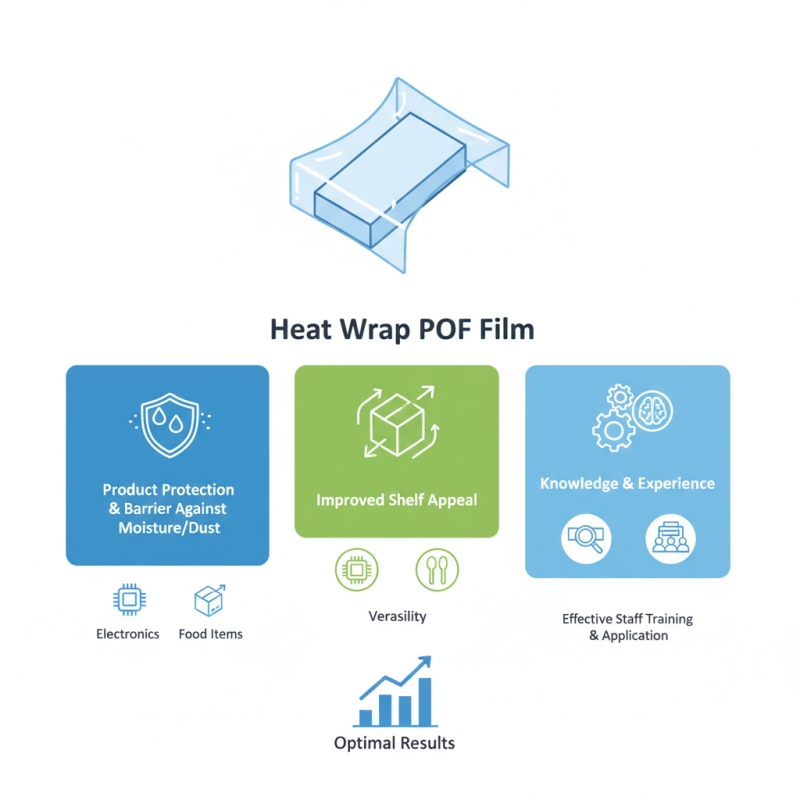
In the world of packaging solutions, "Heat Wrap Pof Film" has emerged as a game-changer. According to industry expert John Smith, “Effective packaging starts with the right materials.” This underscores the significance of selecting high-quality films for optimal results. Heat Wrap Pof Film not only enhances product protection but also improves shelf appeal.
Many businesses face challenges when choosing packaging materials. The right film can prevent damage, while a poor choice leads to wasted resources. Heat Wrap Pof Film provides a reliable barrier against moisture and dust. It is versatile, catering to various products, from electronics to food items. However, not all films are created equal. Companies must understand their specific needs.
While Heat Wrap Pof Film shows remarkable strength, improper application can lead to issues. It's essential to train staff effectively and monitor processes closely. A small oversight can result in significant losses. Exploring effective use cases can provide insights, leading to better practices. In packaging, knowledge and experience are crucial for success.
Understanding Heat Wrap POF Film: Properties and Benefits
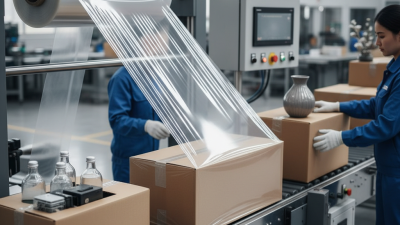
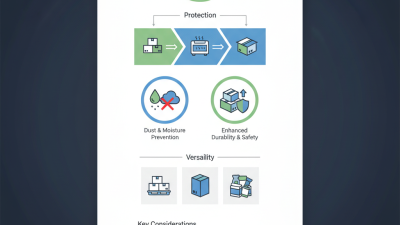
Heat wrap POF (Polyolefin) film is a versatile packaging material. Its unique properties make it ideal for a range of applications. This film is highly stretchable, providing a snug fit around products. It creates a strong barrier against moisture and dust, ensuring products remain intact during transit. The film’s clarity allows for excellent visibility. Customers can easily see the packaged items without opening them.
One of the notable benefits of heat wrap POF film is its durability. It is resistant to punctures and tears, enhancing the protection of packaged goods. Businesses appreciate its efficiency, as it’s easy to apply with heat sealing machines. This technology speeds up the packaging process. However, some users find the learning curve challenging. Adjusting machine settings can take time and experimentation.
Moreover, POF film is often favored for its eco-friendly attributes. While it offers reliable performance, it’s essential to consider the environmental impact. Users should reflect on their sourcing and disposal methods. Proper education on recycling POF materials is vital. This balance between functionality and sustainability is crucial for responsible packaging solutions.
Choosing the Right Heat Wrap POF Film for Your Packaging Needs
When selecting the right heat wrap POF film for your packaging needs, consider specific factors. The film's thickness affects durability and performance. Thicker films offer better protection but may be less flexible. According to recent industry reports, films ranging from 50 to 75 microns provide a solid balance between strength and adaptability.
Another key consideration is the film's shrinkage ratio. A higher shrinkage ratio allows for a tighter wrap, improving product stability during transport. Studies show that products wrapped with a 50% shrinkage ratio experience fewer damages during shipment. Ensure the film’s properties match your product requirements to avoid unnecessary waste and additional costs.
Moreover, not all POF films are created equal. The quality can vary significantly among suppliers. Investing time in researching suppliers might feel tedious but can save money in the long run. Read reviews and gather insights from industry peers. Sometimes, samples from various sources are needed to find the best fit. This process helps avoid the pitfalls of selecting inferior materials, which can harm your brand's reputation.
Step-by-Step Guide to Applying Heat Wrap POF Film Effectively
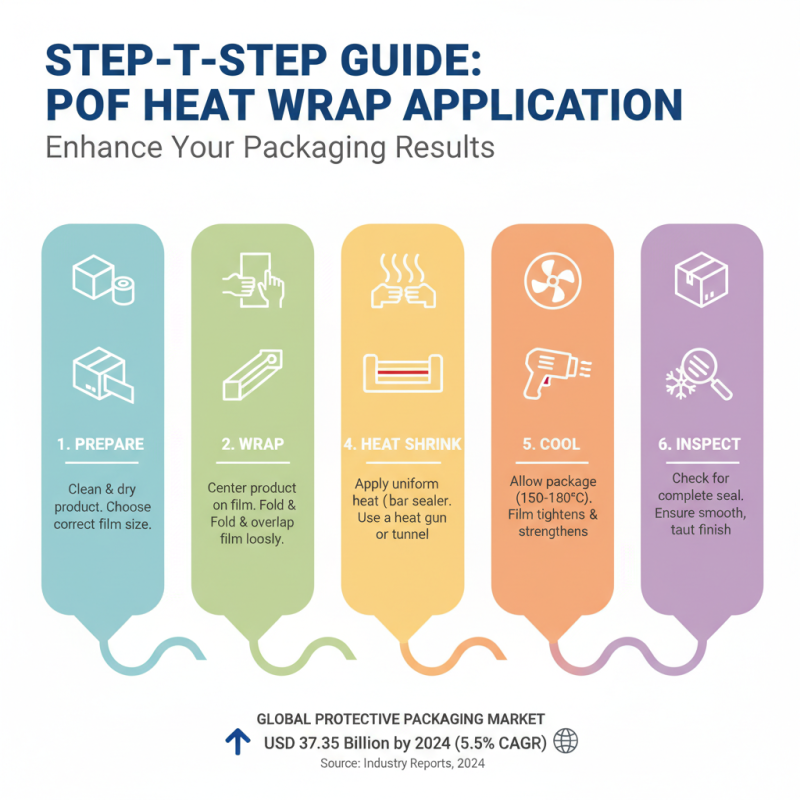
Heat wrap POF film is gaining traction in the packaging industry. Its usage continues to rise, reflecting a growing demand for efficient and reliable packaging solutions. Reports indicate that the global protective packaging market is projected to achieve USD 37.35 billion by 2024, growing at a CAGR of 5.5%. Understanding how to apply heat wrap POF film effectively can enhance packaging results.
Begin by preparing the workspace. Clear the surface of debris. This ensures precision in application. Take measurements of the items to be wrapped. Reliable data shows that packaging that fits snugly reduces waste and improves product protection. Choose the appropriate thickness; a standard range is between 35 to 75 microns. Thicker films generally offer better puncture resistance, which is crucial for fragile items.
As you apply the film, use a heat gun at the correct distance. This technique allows the film to shrink evenly. It's essential to monitor the temperature. Overheating can cause bubbles, undermining the wrap's integrity. Furthermore, seams should be inspected after application. Weak seams lead to product damage during transport. Regular review of packaging procedures can largely improve outcomes. Making minor adjustments can significantly enhance efficiency over time.
Best Practices for Storing and Handling Heat Wrap POF Film
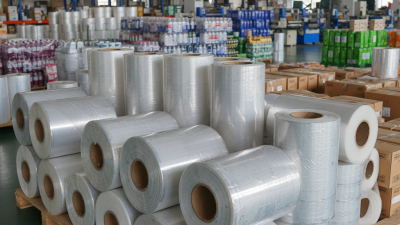
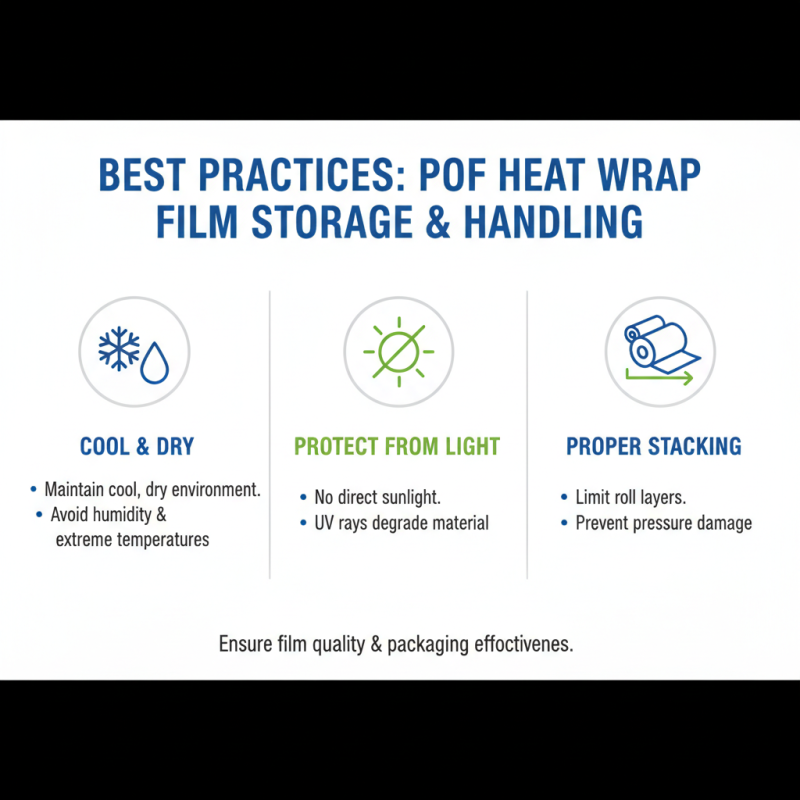
When storing and handling heat wrap POF film, proper practices ensure quality and effectiveness in packaging. The film should be kept in a cool, dry place. Excessive heat and moisture can damage the film's integrity. Avoid direct sunlight exposure, as UV rays can weaken the material. Be mindful of stacking; do not pile too many rolls on top of one another.
Tips: Always check for wrinkles or creases in the film before use. Small imperfections can affect the packaging’s seal quality. If damaged, consider testing a new roll. Take time to train staff on proper handling techniques to minimize mistakes.
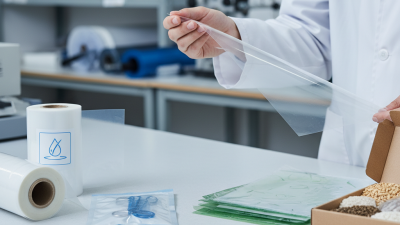
Using the film efficiently requires attention to detail. Ensure the working environment is free from dust and debris. Contaminants can stick to the film, compromising its adhesive properties. Always use sharp tools when cutting the film to avoid tears. Review packaging processes regularly to identify areas for improvement.
Common Applications of Heat Wrap POF Film in Various Industries
Heat wrap POF film has gained traction across various industries due to its versatility and effectiveness. In the food industry, this film provides a moisture barrier, ensuring freshness. A report by Smithers states that the global food packaging market is expected to grow by 3.8% annually, highlighting the need for reliable packaging solutions.
In the electronics sector, heat wrap POF film protects items from dust and moisture during shipping. According to a market analysis, over 50% of companies are adopting advanced packaging techniques to enhance product longevity. This film is lightweight yet strong, reducing shipping costs and improving efficiency.
Tips: When using heat wrap POF film, ensure proper sealing to avoid leaks. Test different temperatures to find the ideal setting for your products. Consider the environmental footprint; using recyclable materials can enhance brand reputation. Reflect on the balance between cost and quality; cheaper options may risk product damage.