Best Tips for Choosing the Right Packaging Film for Your Needs?
Choosing the right packaging film is crucial for many industries. According to John H. Rickman, a leading expert in the packaging field, “Effective packaging is not just about aesthetics; it’s about functionality.” This captures the essence of selecting the right material. Factors such as durability, thickness, and clarity play vital roles in ensuring products remain protected.
Packaging film comes in various types, each designed for specific applications. Food industries prefer films that are moisture-resistant. In contrast, medical supplies often require sterile packaging options. Understanding these nuances is key when making a decision. However, many businesses overlook their unique needs, leading to poor choices.
As the demand for sustainable packaging grows, the industry is evolving. The challenge lies in balancing environmental concerns with product protection. Companies must question their choices and consider alternatives. Reflecting on the impact of material choice becomes essential for industry leaders.

Understanding Different Types of Packaging Films Available on the Market
When evaluating packaging films, understanding the options is crucial. The market offers various types, including polyvinyl chloride (PVC), polyethylene (PE), and polypropylene (PP). Each material has unique properties that cater to different needs. For instance, PVC is known for its versatility but may have environmental concerns. PE is popular for its flexibility and moisture barrier properties. At the same time, PP is often chosen for its clarity and resistance to oils.
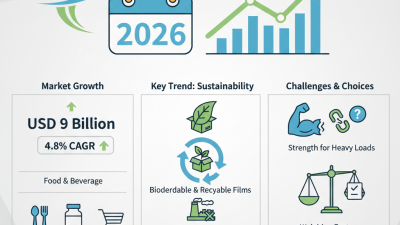
Industry reports indicate that the global packaging film market was valued at approximately $40 billion in 2022, with a projected growth rate of over 4% annually. This growth reflects the increasing demand for sustainable and efficient packaging solutions. However, choosing the right film also involves weighing performance against environmental impact. Some films offer excellent sealability but may not biodegrade efficiently. Moreover, clarity and strength must be balanced with recyclability.
A recent study highlighted that about 60% of consumers prefer brands that prioritize sustainable packaging. This shift urges businesses to rethink their choices. Factors such as barrier protection, cost, and product compatibility must be assessed. Each choice can significantly impact the product's shelf life and overall success in the market. Packaging decisions should not be made lightly, as they directly affect both performance and environmental sustainability.
Best Tips for Choosing the Right Packaging Film for Your Needs
| Type of Packaging Film |
Material |
Thickness (microns) |
Application |
Key Features |
| Stretch Film |
Polyethylene (LDPE) |
15 - 30 |
Pallet wrapping |
High elasticity, moisture resistant |
| Shrink Film |
PVC/PE |
30 - 50 |
Product bundling |
Clarity, tight wrap |
| Barrier Film |
PET/Aluminum |
20 - 40 |
Food packaging |
Oxygen barrier, extended shelf life |
| Pouch Film |
Polyester/Polypropylene |
40 - 100 |
Snack packaging |
Resealable, customizable sizes |
| Bio-based Film |
PLA |
30 - 50 |
Eco-friendly packaging |
Biodegradable, renewable resource |
Key Factors to Consider When Selecting Packaging Film for Your Products
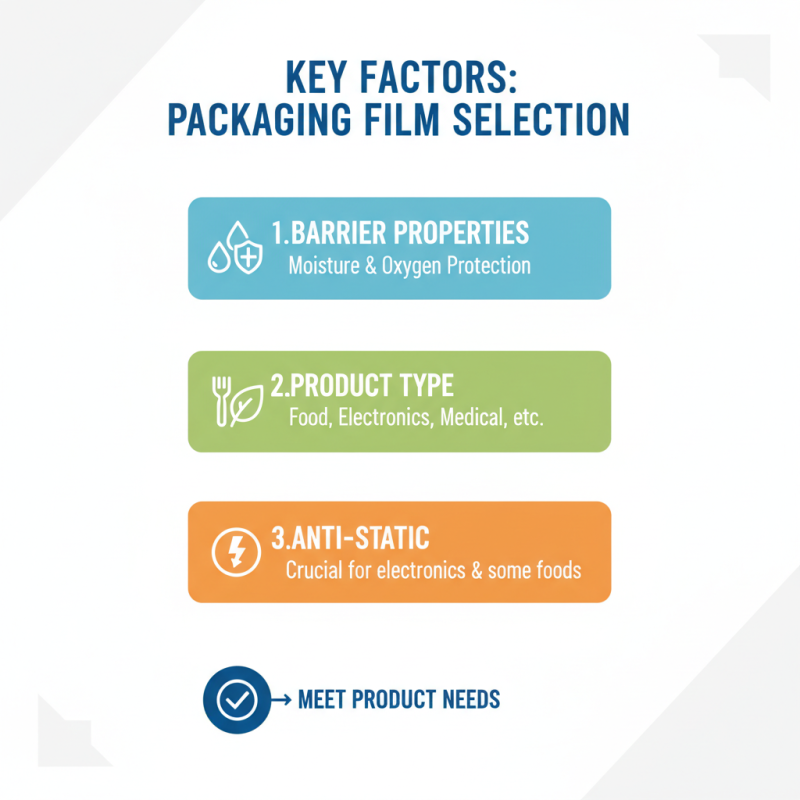
When selecting packaging film, consider several key factors. The material's barrier properties are crucial. Different films provide varying levels of moisture and oxygen protection. For food products, anti-static properties may also be worth noting. Choose a film that meets the specific requirements of your product.
Think about the environmental impact of the film too. Biodegradable options are becoming more popular. However, the performance should not be compromised. Many companies struggle with balancing sustainability and product protection. This is an area that often requires reflection.
Cost is another important element. While cheaper films might save money upfront, they can lead to increased spoilage or damage. Evaluating total costs associated with packaging is essential. Many businesses overlook this, but it's a vital aspect of making an informed choice. The right film can enhance product appeal and improve customer satisfaction.
Evaluating the Functional Properties of Various Packaging Films
When selecting packaging films, understanding their functional properties is crucial. Different films serve unique purposes. For example, moisture barrier properties are vital for food packaging. An industry report from Smithers Pira highlights that 57% of consumers prefer packaging that keeps food fresh longer. This highlights the importance of choosing films based on their protective features.
Tips to consider include assessing the thickness of the film. Thicker films often provide better durability. However, they may also increase costs. Ensure to find a balance between cost and functionality. Additionally, transparency may be necessary for certain products. A transparent film allows visibility, appealing to consumers.
Finally, consider the sustainability of the materials. As environmental concerns rise, opting for recyclable films can enhance brand reputation. According to a survey by McKinsey, 60% of consumers prefer brands committed to sustainability. This reflects the importance of aligning packaging choices with current consumer values. Evaluate your options carefully to meet both your needs and those of your customers.
Assessing Cost-Effectiveness and Sustainability in Packaging Choices
When evaluating packaging options, cost-effectiveness and sustainability stand out. The right choice balances budget and environmental impact. Packaging films, which come in various materials, need careful consideration. They could range from traditional plastics to biodegradable options. Each material carries a different cost and environmental footprint. Analyzing these factors is essential for informed decisions.
Sustainability is not just a trend. It's also a necessity in today's market. Many consumers favor brands that show responsibility. Assessing the life cycle of packaging is vital. Consider how much energy is needed to produce and dispose of the material. This analysis helps in understanding its overall impact. While it may seem straightforward, many overlook hidden costs, like disposal and recycling processes.
Conversely, cost alone should not dictate choices. Packaging that is cheaper upfront may incur higher costs later. Long-term benefits may outweigh initial savings. It's crucial to weigh various factors. A thorough evaluation may reveal options that satisfy both fiscal and environmental goals. Striving for efficiency while being mindful of sustainability can lead to innovative solutions.
The Importance of Supplier Reliability and Support in Packaging Selection
Choosing the right packaging film goes beyond just the material.
Supplier reliability is crucial. A dependable supplier can guide you through your options.
They should understand your specific needs and challenges. When you face unexpected issues, having a reliable supplier can make all the difference.
They should respond quickly and provide effective solutions.
Expert support should not be underestimated. Proper guidance can save you time and money.
A knowledgeable supplier can help assess which film is best for your product. This choice affects shelf life, protection, and presentation.
It’s important to prioritize suppliers that offer ongoing support even after the sale.
However, not all suppliers meet these standards. You may encounter those who rush the process or don’t provide adequate information.
Always research and vet suppliers. Assess their communication skills and willingness to address concerns.
This assessment can lead you to a partner who truly adds value to your packaging strategy.