| Pallet and Load Stabilization |
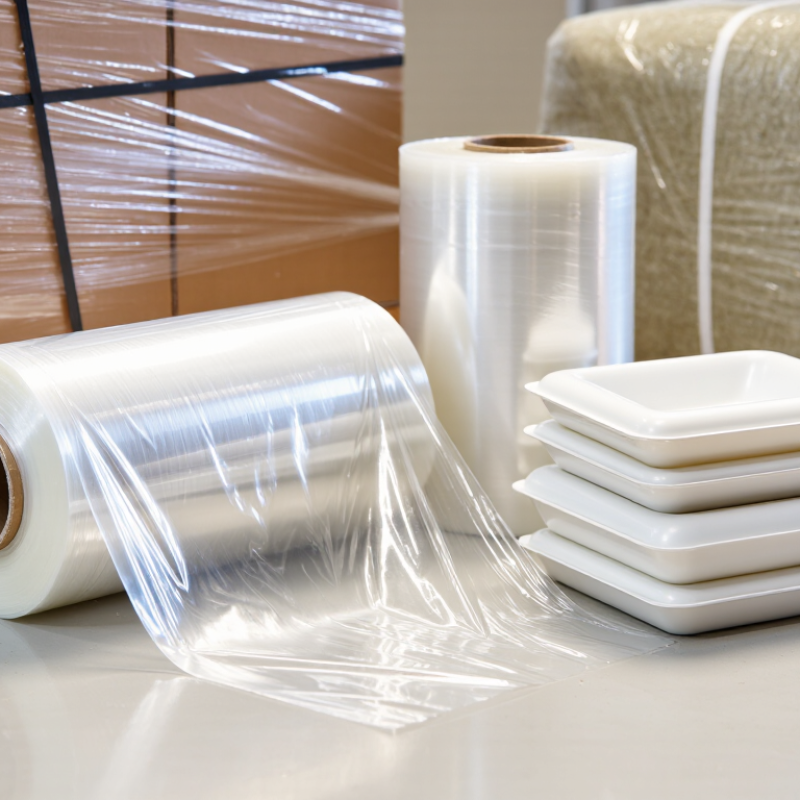
Stretch wrap film |
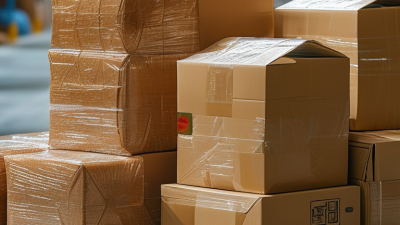
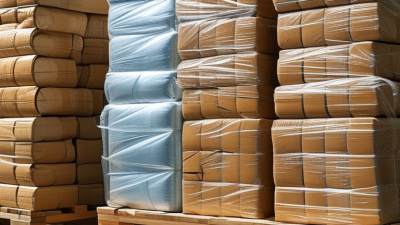
Securing cartons, boxes, bags, and other products on pallets during storage and transportation. |
Approximately 12–30 micrometres |
Stretchability, puncture resistance, cling, load retention, and tear resistance. |
Polyethylene can stretch around irregular loads and helps protect products from dust and moisture. |
Used film should be kept clean and dry; many recycling systems accept polyethylene film separately from rigid plastics. |
| Food and Produce Packaging |
Cling film, overwrap, bags, and lidding film |
Wrapping fresh produce, meat, baked goods, frozen foods, and prepared food portions. |
Approximately 8–50 micrometres, depending on the structure and product |
Food-contact compliance, sealability, transparency, moisture control, and puncture resistance. |
Polyethylene films can provide moisture barriers and can be produced in flexible, transparent, heat-sealable formats. |
Only grades designed and approved for the intended food-contact use should be used; local recycling rules vary. |
| Shrink Packaging |
Shrink film and shrink bags |
Bundling products, wrapping retail multipacks, and forming a close-fitting protective layer around goods. |
Approximately 25–100 micrometres |
Controlled shrink behavior, sealing performance, clarity, strength, and resistance to handling damage. |
Polyethylene shrink films can contract when heated and provide economical secondary packaging. |
Heat-shrink equipment must be operated according to the film specification and workplace safety requirements. |
| Agricultural Protection |
Greenhouse film, mulch film, silage film, and bale wrap |
Covering crops, suppressing weeds, protecting forage, and wrapping silage bales. |
Approximately 20–200 micrometres |
Weather resistance, flexibility, light transmission or blocking, puncture resistance, and resistance to moisture. |
Polyethylene is lightweight, flexible, and suitable for producing large continuous sheets for outdoor applications. |
Film contaminated with soil or organic matter may require specialized agricultural film collection rather than ordinary recycling. |
| Construction and Building Protection |
Polyethylene sheeting and protective film |
Temporary dust barriers, floor and surface protection, vapor control layers, concrete curing covers, and material wrapping. |
Approximately 50–250 micrometres |
Tear resistance, moisture resistance, flexibility, coverage size, and ease of installation. |
Polyethylene sheeting is water-resistant, lightweight, and available in a wide range of gauges and widths. |
Performance depends on thickness, installation, exposure conditions, and whether the sheet is intended as a vapor-control product. |
| Industrial and Warehouse Packaging |
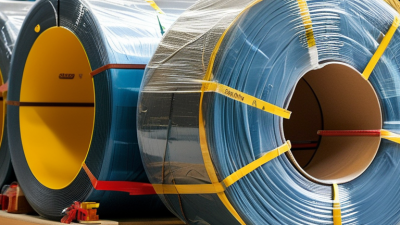
Heavy-duty film, tubing, bags, and machine stretch wrap |
Covering machinery, bundling components, lining containers, and protecting products from dust and light moisture. |
Approximately 50–250 micrometres |
High tensile strength, puncture resistance, weldability, flexibility, and reliable sealing. |
Polyethylene can be manufactured as low-density, linear low-density, or high-density film structures to match different strength and flexibility needs. |
Sharp edges may require additional protection or a heavier-gauge film to prevent punctures. |
| Medical and Hygiene Packaging |
Cleanroom bags, protective overwrap, and component packaging film |
Protecting medical components, hygiene products, and non-sterile items from dust and handling contamination. |
Approximately 30–150 micrometres |
Cleanliness, seal integrity, controlled material properties, clarity, and compatibility with the required packaging process. |
Polyethylene film can be heat-sealed and manufactured with consistent thickness and low moisture permeability. |
Medical packaging requires application-specific material selection, validated processes, and appropriate cleanliness controls. |
| Waste and Liner Bags |
Trash bags, drum liners, and container liners |
Containing household, commercial, industrial, and non-hazardous waste or lining bins and containers. |
Approximately 20–150 micrometres |
Load capacity, puncture resistance, seal strength, flexibility, and resistance to leakage. |
Polyethylene is moisture-resistant and can be formulated for either flexible handling or increased toughness. |
Hazardous or regulated waste requires packaging that complies with applicable local safety and disposal requirements. |
| Electrical and Product Protection |
Protective film, bags, and temporary surface film |
Covering finished surfaces, cables, metal parts, furniture, and components during manufacturing, storage, or shipment. |
Approximately 25–100 micrometres |
Low surface damage, adequate adhesion or slip, tear resistance, clarity, and clean removal. |
Polyethylene films can be engineered for flexibility and temporary protection without adding significant weight. |
Adhesive or cling performance should be tested on the specific surface to avoid residue, staining, or difficult removal. |
| Frozen and Moisture-Sensitive Products |
Freezer bags, overwrap, and protective inner liners |
Wrapping frozen food, ice products, moisture-sensitive materials, and products requiring separation from condensation. |
Approximately 25–100 micrometres |
Low-temperature flexibility, moisture resistance, sealability, and resistance to cracking or puncture. |
Selected polyethylene grades remain flexible at low temperatures and provide an effective moisture barrier. |
Film thickness and formulation should be matched to storage temperature, handling conditions, and the intended product-contact use. |