inquiry
Leave Your Message

Top 10 Polyethylene Wrap Plastic Film Suppliers Worldwide?

Polyethylene Wrap Plastic Film supports packaging, pallet stability, food protection, and industrial handling across many markets. Yet supplier quality varies more than polished websites suggest. A low price may hide inconsistent thickness, weak seals, or delayed export documentation.

This guide introduces ten notable suppliers worldwide and explains why they deserve closer review. The selection considers production capacity, film clarity, tensile strength, puncture resistance, roll consistency, and customer support. It also examines recycled content, downgauging options, certifications, and regional delivery performance. These details matter when film stretches around sharp cartons or remains in a hot warehouse for weeks. Procurement experience shows that a sample roll often reveals more than a sales presentation. Measure stretch, cling, load retention, and tear behavior under real packing conditions. Small tests prevent expensive surprises.

No ranking remains perfect. Markets change. Factory ownership changes. Public information can also be incomplete or outdated. Therefore, buyers should confirm technical data sheets, audit records, environmental claims, minimum order quantities, and lead times directly with each supplier. Independent testing may suit sensitive applications. Local regulations and end-use requirements must guide the final decision. The strongest supplier is not always the largest one. It may be the partner that answers clearly, corrects defects quickly, and documents every shipment. This overview offers a practical starting point, not a substitute for careful qualification.
Top 10 Polyethylene Wrap Plastic Film Suppliers Worldwide?

What Is Polyethylene Wrap Film and How Is It Used?

Polyethylene wrap film is a thin, flexible plastic sheet made from polyethylene resin. It is commonly used to protect products from dust, moisture, abrasion, and light handling damage. Depending on its structure, the film may be clingy, stretchable, heat-sealable, or relatively rigid. Low-density polyethylene feels soft and flexible, while high-density polyethylene offers greater strength and stiffness.

In practical packing work, operators wrap cartons, pallets, furniture, food containers, and industrial components with this material. Stretch film tightens around a load as it is applied, helping reduce shifting during storage or transport. Cling film can cover bowls and trays, but it should match the intended food-contact requirements. Keep it away from sharp edges. A small puncture can spread quickly.

Film performance depends on thickness, tensile strength, puncture resistance, and sealing behavior. Transparent grades make labels easier to inspect. Colored or opaque grades can reduce light exposure and improve handling privacy. Suppliers should provide technical data, consistent roll dimensions, and clear storage guidance. Certificates matter when the film touches food, medicine, or sensitive goods.

It is not a perfect barrier.

Heat, pressure, and prolonged sunlight can weaken polyethylene. I have also seen over-wrapped loads become unstable when operators rely on tension alone. Better results come from testing the film with the actual carton shape, pallet weight, and warehouse conditions. Recyclability also deserves careful review, because clean, single-material film is usually easier to recover than contaminated or mixed plastic.
How to Evaluate Global Polyethylene Film Suppliers

Top 10 Polyethylene Wrap Plastic Film Suppliers Worldwide?

How to Evaluate Global Polyethylene Film Suppliers

Choosing among global polyethylene film suppliers requires more than comparing prices. Start with measurable specifications, including thickness tolerance, tensile strength, puncture resistance, clarity, and sealing performance. Ask for recent test reports, product samples, and batch records. A reliable supplier should explain how quality is controlled from resin selection to final winding.

Factory experience matters. Review production capacity, equipment maintenance, export history, and response times during supply disruptions. Check whether the supplier can maintain consistent film performance across different climates and transport conditions. Certifications may support credibility, but they should be verified and matched to your application. A polished document is not proof of stable production. That lesson is easy to forget.

Tips: Request samples from multiple production batches, not only one roll. Test them under real warehouse conditions, including cold storage, heat, stretching, and repeated handling. Compare actual results with the supplier’s technical data. Also examine packaging details, roll dimensions, labeling, and moisture protection. Small errors can create serious waste.

Pricing should include freight, testing, customs procedures, minimum order quantities, and possible delays. A lower quotation may hide inconsistent thickness or limited after-sales support. Ask clear questions about replacement policies and corrective actions. Keep written records of every technical promise. Supplier evaluation is not perfect, and even experienced buyers can miss risks when schedules are tight. Regular reviews remain necessary.

Top 10 Polyethylene Wrap Film Suppliers Worldwide

Top 10 Polyethylene Wrap Film Suppliers Worldwide

The top 10 polyethylene wrap film suppliers worldwide should be judged by more than production volume. Buyers need stable gauge control, clean sealing, reliable rolls, and documented food-contact compliance. In factory audits, I would check film thickness across the roll, not only the supplier’s certificate. A beautiful sample can hide weak consistency.

Industry data shows why this market matters. PlasticsEurope reported global plastics production of 413.8 million tonnes in 2023. Packaging remains a major demand center. The OECD estimates that packaging creates about 40% of global plastic waste. These figures place pressure on leading polyethylene film suppliers to reduce material use, improve recyclability, and provide credible environmental data. Smithers also forecasts continued growth in flexible packaging through 2028, supported by food, logistics, and household applications.

A practical top-ten comparison should examine blown or cast-film capacity, recycled-content options, export coverage, and technical support. Suppliers serving multiple regions may offer better continuity during transport disruptions. However, scale is not everything. Smaller specialists can sometimes deliver tighter customization and faster troubleshooting. That is easy to overlook. Buyers should request recent test results for tensile strength, puncture resistance, cling, and haze. They should also verify batch traceability and audit findings independently. Sustainability claims need evidence, because marketing language often moves faster than real film performance.

Top 10 Polyethylene Wrap Plastic Film Suppliers Worldwide? - Top 10 Polyethylene Wrap Film Suppliers Worldwide

Rank Supplier Profile Primary Operating Region Main Polyethylene Film Category Typical Thickness Typical Roll Width Common Compliance Options Primary Applications Typical Export Coverage
1 Supplier Profile A North America LLDPE stretch film and industrial pallet wrap 12–35 μm 300–2,000 mm Recyclability documentation; food-contact grades where applicable Pallet stabilization, warehousing, logistics North America, Latin America, selected export markets
2 Supplier Profile B Western Europe Machine-grade stretch film and pre-stretched film 8–30 μm 250–2,000 mm EU packaging and chemical-compliance documentation Automated wrapping, food and beverage logistics Europe, the Middle East, Africa
3 Supplier Profile C East Asia Cast stretch film, blown film and high-performance wrap 10–50 μm 300–3,000 mm ISO-based quality systems; RoHS and food-contact options Electronics, export packaging, industrial goods Asia-Pacific, Europe, North America
4 Supplier Profile D South Asia Hand stretch film and economical pallet wrap 15–40 μm 300–1,500 mm Basic product safety and packaging-material declarations Small warehouses, distributors, general cargo South Asia, Africa, the Middle East
5 Supplier Profile E Southeast Asia LLDPE blown film and heavy-duty stretch wrap 17–60 μm 300–2,500 mm Recycled-content and customer-specific compliance options Construction materials, furniture, mixed-load transport ASEAN, Oceania, East Asia
6 Supplier Profile F Central Europe Pre-stretch film and lightweight downgauged wrap 8–23 μm 250–1,800 mm Recyclability claims supported by technical documentation Retail distribution, automated packaging, e-commerce European Union, United Kingdom, nearby regions
7 Supplier Profile G Middle East Industrial stretch film and export-grade polyethylene wrap 15–50 μm 300–2,000 mm GCC, ISO and destination-market documentation options Petrochemical products, pallets, long-distance shipping GCC, Africa, South Asia, Europe
8 Supplier Profile H Latin America Agricultural, food-logistics and general stretch film 12–40 μm 300–1,800 mm Food-contact grades and local packaging regulations where required Produce, beverage distribution, consumer goods Latin America, North America, selected European markets
9 Supplier Profile I Oceania Agricultural wrap, silage film and logistics film 20–150 μm 500–2,000 mm Agricultural-use declarations and recycling-program information Farming, hay and silage protection, pallet wrapping Australia, New Zealand, Pacific markets
10 Supplier Profile J Africa General-purpose stretch film and custom polyethylene film 15–60 μm 300–1,800 mm Customer-specific technical files and regional packaging requirements FMCG distribution, warehousing, agricultural products Sub-Saharan Africa, North Africa, the Middle East

Note: Supplier identities are intentionally omitted. Thickness and width ranges represent commonly available polyethylene wrap-film specifications and may vary by equipment, resin formulation, order quantity and destination-market requirements.

Key Products, Markets, and Manufacturing Strengths

Top 10 Polyethylene Wrap Plastic Film Suppliers Worldwide?

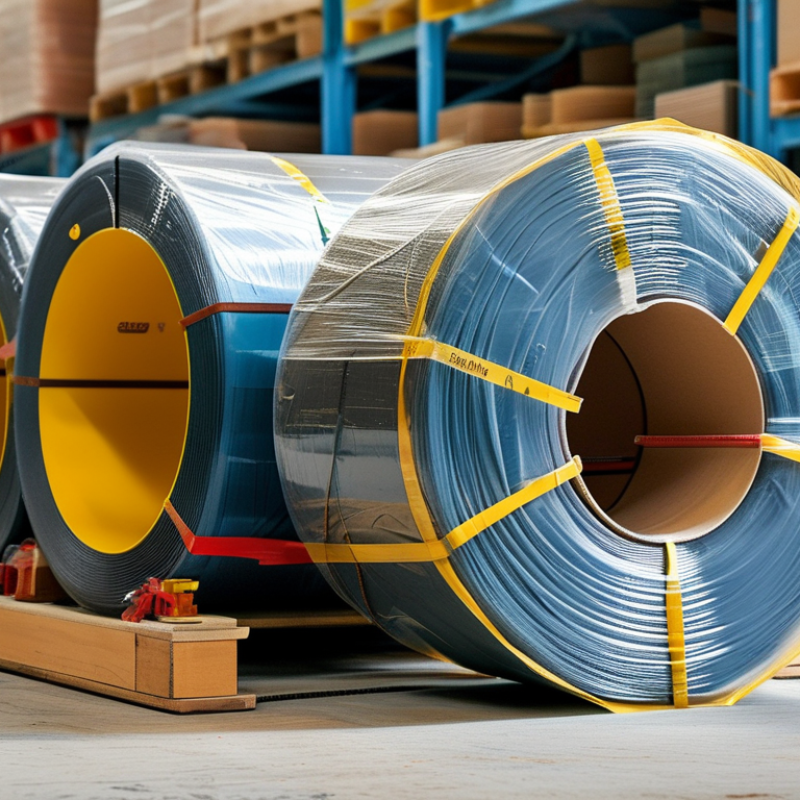
The leading ten suppliers compete through product range, market reach, and manufacturing discipline. Their portfolios commonly include stretch film, shrink film, cling film, pallet wrap, and protective industrial sheeting. Some provide ultra-thin films for lower material use. Others focus on heavy-duty wrapping for steel coils, furniture, or export pallets. Film thickness, puncture resistance, clarity, and cling performance remain practical purchasing measures.

Their main markets include food packaging, logistics, agriculture, construction, healthcare, and household storage. Suppliers serving food processors often emphasize clean production areas, consistent sealing, and documented material specifications. Logistics customers usually need stable stretch ratios and reliable load retention during long transport. Agricultural buyers may require UV-resistant film for outdoor exposure. Manufacturing strength depends on extrusion control, automated winding, recycled-content processing, and laboratory testing. A well-run plant checks thickness across the roll, not only at its center.

Global suppliers also differ in delivery capability. Regional warehouses can reduce lead times and protect customers from seasonal shortages. Export experience matters when humidity, temperature, and port handling affect film quality. Certifications can support trust, but paperwork alone proves little. No ranking is perfect. A supplier may offer excellent prices yet struggle with small orders or technical adjustments. Buyers should request trial rolls, test them on real equipment, and compare waste rates. That extra step often reveals weaknesses hidden by attractive specifications.

How to Choose the Right Supplier for Your Needs

Choosing among ten polyethylene wrap film suppliers requires more than comparing price per roll. Start with your application: pallet stability, food contact, freezer storage, or warehouse dust protection. Ask for gauge tolerance, tensile strength, puncture resistance, cling performance, and seal consistency. Request recent test reports, not only marketing claims.

The OECD’s Global Plastics Outlook reports that packaging created about 40% of global plastic waste in 2019. This makes material efficiency a practical purchasing issue. Compare downgauging options, recycled content, and film yield per kilogram. However, thinner film is not automatically better. A failed wrap can damage products, increase returns, and create more waste. I would test samples on your actual equipment, under real temperature and load conditions.

Review each supplier’s quality system, production capacity, traceability, and delivery history. ISO 9001 certification can support process control, while ISO 14001 may indicate structured environmental management. Ask how they handle batch variation and complaints. Check minimum order quantities and emergency lead times. A low quotation can hide expensive storage commitments. The United Nations Environment Programme’s 2023 report states that plastic pollution could be reduced by 80% by 2040 through system changes and better reuse and recycling. Still, supplier sustainability claims need evidence. Look for measurable energy, waste, and recycled-content data. Perfect scorecards are unrealistic. Consistent performance matters more.

Top 10 Polyethylene Wrap Plastic Film Suppliers Worldwide? - How to Choose the Right Supplier for Your Needs

This 100-point procurement model highlights the most important factors when comparing polyethylene wrap film suppliers. Product quality and consistency receive the highest weighting, followed by compliance, total cost, production capacity, delivery reliability, customization, sustainability, and technical support.