Top 5 Grandyick PVC Shrink Film Uses You Need to Know?
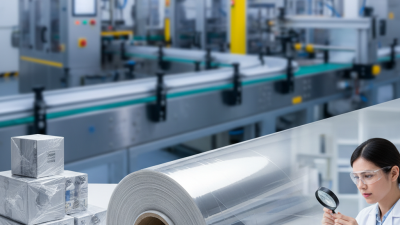
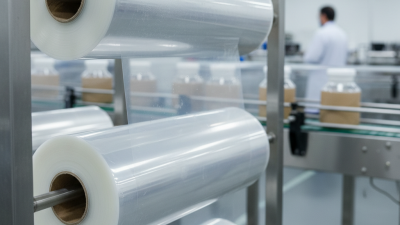
In the world of packaging, "Grandyick PVC Shrink Film" stands out for its versatility and reliability. Renowned industry expert, John Smith, states, "Grandyick PVC Shrink Film transforms how products are packaged and presented." This type of film is widely used across various sectors, and understanding its applications is essential for businesses looking to enhance their packaging strategies.
One significant use is in retail, where it provides a sleek presentation for consumer products. The film adheres tightly to items, giving them a polished appearance. This not only improves aesthetics but also offers protection. Another notable application is in food packaging; the film extends shelf life while maintaining freshness. However, businesses often overlook the potential for creative branding using this film.
While the benefits of "Grandyick PVC Shrink Film" are clear, some challenges remain. Ensuring proper heat application is crucial; otherwise, products may be inadequately sealed. Companies may need to invest in training to optimize usage. With careful consideration and innovative thinking, the possibilities for utilizing this film are endless.
Understanding PVC Shrink Film and Its Properties
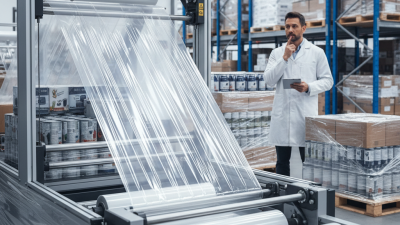
PVC shrink film is a versatile packaging solution widely used across various industries. Its unique properties make it a popular choice for protective and decorative purposes. This film can shrink up to 50% when exposed to heat, providing a tight and secure fit around products. The ability to conform to various shapes enhances its appeal in packaging applications. According to industry reports, the global PVC shrink film market is projected to grow at a CAGR of 4.5% from 2021 to 2026, driven by rising demand for efficient packaging.
Understanding the specific properties of PVC shrink film is crucial. It exhibits high clarity, allowing consumers to view the product without unwrapping. The film is also resistant to moisture and dust, helping to maintain product integrity. However, sourcing quality materials remains a challenge. Variations in thickness and formulation can impact performance. Many manufacturers struggle with consistency, which affects their reliability in packaging. Industry experts recommend rigorous testing and validation to ensure optimal performance in real-world applications.
Sustainability is another area where PVC shrink film faces scrutiny. While it offers many benefits, its environmental impact cannot be overlooked. Efforts are underway to develop more eco-friendly alternatives. However, adopting these solutions may require investment and education within the industry. Understanding both the advantages and limitations of PVC shrink film is vital for making informed decisions in packaging strategies.
Top 5 Grandyick PVC Shrink Film Uses You Need to Know
| Use Case |
Description |
Benefits |
Application Examples |
| Packaging |
Used to tightly wrap products for protection and presentation. |
Enhances product visibility while protecting it from damage. |
Food items, retail products, electronics. |
| Shrink Sleeves |
Conforms to the shape of a product container for branding and labeling. |
Provides a 360-degree branding surface. |
Beverage bottles, cosmetics, pharmaceuticals. |
| Industrial Packaging |
Packages bulk items to protect during transit. |
Reduces the risk of damage during shipping. |
Tools, hardware, machinery parts. |
| Protection Against Moisture |
Acts as a barrier against humidity and other environmental factors. |
Keeps contents dry and prevents spoilage. |
Sensitive electronics, food products. |
| Gift Wrapping |
Used to wrap gifts for a polished look. |
Enhances the aesthetic appeal of gifts. |
Gift baskets, holiday presents. |
Common Applications of Grandyick PVC Shrink Film in Packaging
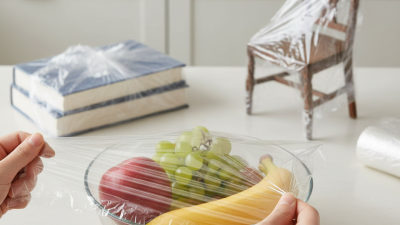
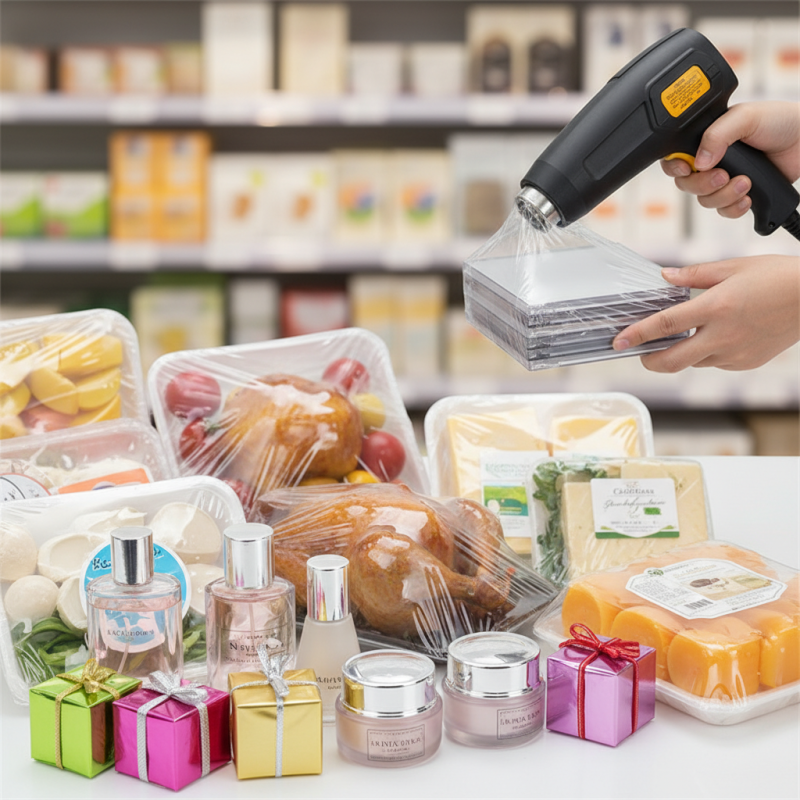
Grandyick PVC shrink film is widely used in various packaging applications. Its versatility makes it a popular choice among businesses. One common use is for food packaging. It provides a tight seal around products, ensuring freshness and preventing contamination. The transparency of the film also allows consumers to see the product clearly, enhancing its appeal.
Another significant application is in the beauty and cosmetics industry. Shrink film is often used to seal bottles and jars. This not only protects the contents but also provides tamper evidence, assuring customers of product safety. Additionally, the film can be customized with prints, making it an excellent branding tool.
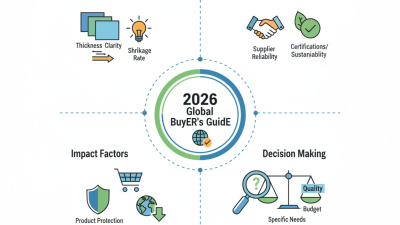
Tips to consider: Always check the thickness of the film for specific applications. A thinner film may suffice for lightweight items, while bulky products might need a thicker gauge. Also, consider the environment. Some films are more eco-friendly than others. Reflect on whether the sustainability of your packaging materials meets consumer expectations. Proper training on how to use shrink film can minimize errors in sealing and ensure optimal packaging.
Benefits of Using PVC Shrink Film for Product Protection
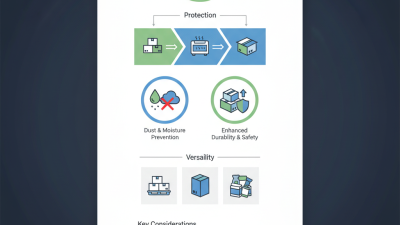
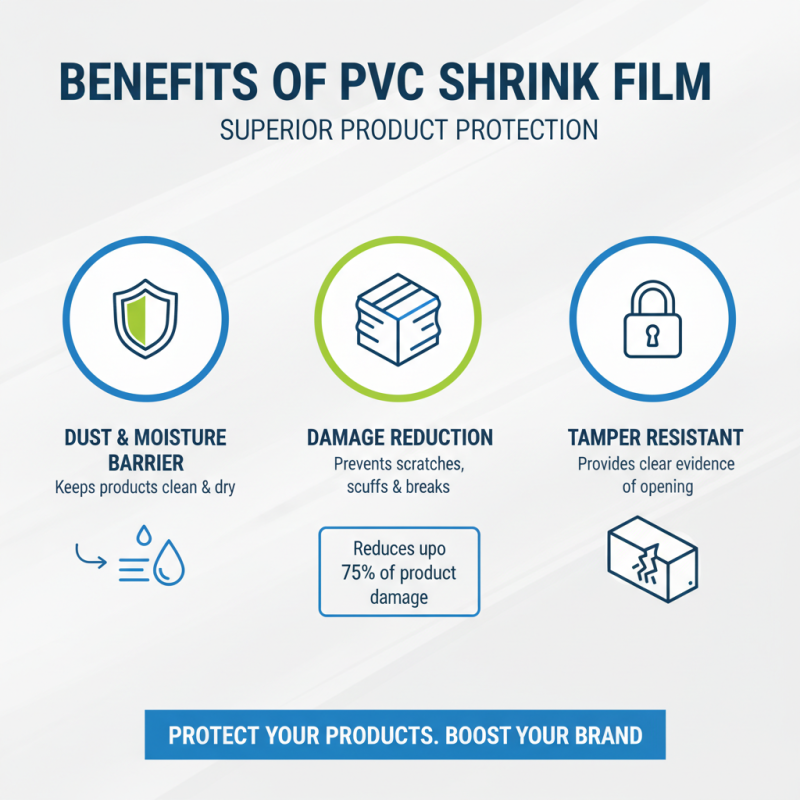
PVC shrink film offers vital benefits for protecting products across various industries. Its ability to conform snugly over items ensures that they are shielded from dust, moisture, and damage. A report by Packaging Strategies highlights that up to 75% of consumer product damage arises from improper packaging. By using PVC shrink film, businesses can significantly reduce this risk.
The film is not only protective; it also provides a visually appealing display. Research shows that 63% of consumers make purchase decisions based on visual appeal. This underscores the importance of using high-quality shrink film that enhances product presentation. However, manufacturers should be aware that improper sealing techniques can lead to product spoilage. Reflection on the sealing process is crucial to avoid costly mistakes.
Moreover, the environmental impact of packaging is a growing concern. While PVC shrink film is widely used, some environmentalists question its sustainability. It's essential for businesses to evaluate their material choices and consider recycling options. Transitioning towards eco-friendly alternatives can benefit the industry long-term. Balancing protection and sustainability should be a priority for all businesses.
Innovative Uses of PVC Shrink Film in Retail and Marketing
PVC shrink film has gained traction in retail and marketing due to its versatility. This material not only enhances product presentation but also protects items during transport. Retailers can use PVC shrink film to create visually appealing packages that attract customers. With vibrant graphics and smooth finishes, wrapped products stand out on shelves.
In marketing, brands often leverage PVC shrink film for promotional purposes. Limited edition products or seasonal items can be wrapped creatively to generate excitement. These films can also serve as an additional canvas for branding. A well-designed wrap might tell a story or showcase essential product features. However, the challenge lies in ensuring that the design does not overwhelm the product itself.
While PVC shrink film is effective, it has limitations. Durability is one concern; not all films withstand varying environmental conditions. Sometimes, the wrapping may not align perfectly, leading to a less polished appearance. Brands must find a balance between aesthetic appeal and practical functionality. Regular reviews of packaging processes can help identify areas for improvement.
Environmental Considerations and Recycling Options for PVC Shrink Film
PVC shrink film is widely used for packaging, but its environmental impact raises concerns. This material is derived from vinyl chloride, and while effective in preserving products, its production and disposal can be harmful. Many users may not consider how these factors affect the planet.
Recycling options for PVC are limited compared to other materials. Curbside recycling often does not accept it, leading to more waste. Some facilities focus on specialty recycling, but access can be challenging. Many consumers may not know where to take their used PVC products. Education on recycling locations and options is crucial.
Alternatives like biodegradable films are emerging. However, these options may not yet match PVC's effectiveness. There is room for improvement in the development of eco-friendly shrink films. Consumers should reflect on their choices and seek brands that prioritize sustainability. Awareness can drive change in the industry, pushing for safer materials and better recycling practices.