10 Tips for Using Polyethylene Wrap Plastic Film Effectively
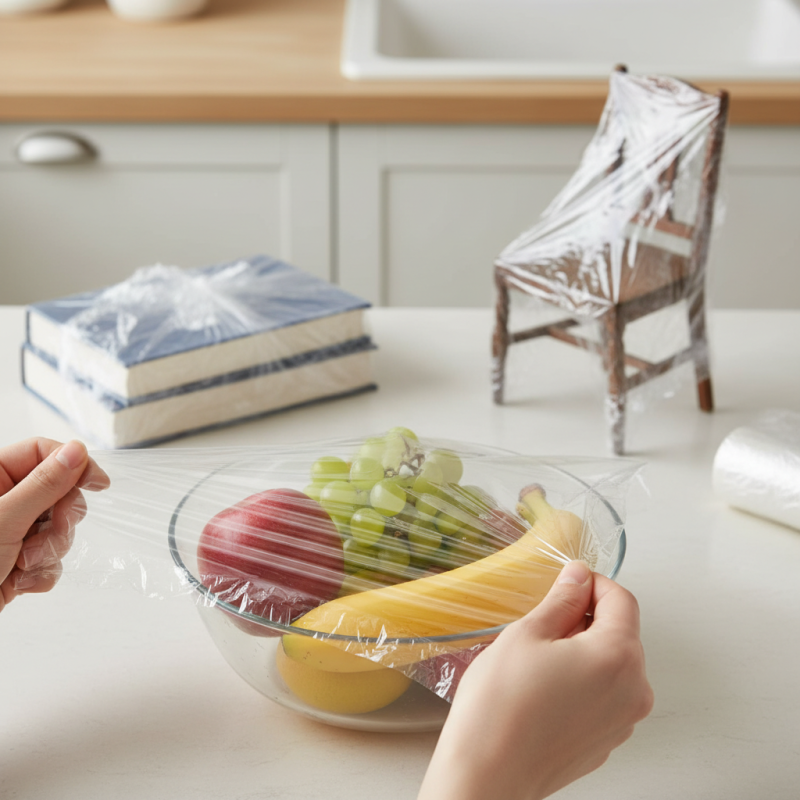
Polyethylene Wrap Plastic Film is an indispensable tool in both households and industries. Its versatility is impressive, enabling it to cover food, protect furniture, and even bundle items for transport. However, many users overlook some best practices that can enhance its effectiveness. Understanding how to handle this material ensures that you reap the full benefits of its properties.
Using Polyethylene Wrap Plastic Film correctly can save time and reduce waste. For instance, wrapping food tightly preserves freshness longer. Yet, improper application can lead to spoilage. Beginners often find it challenging to get a tight seal. Observing how the film clings can improve your technique over time. Make adjustments where needed. Embrace some trial and error to master its use.
In the following tips, we will explore practical ways to maximize the benefits of Polyethylene Wrap Plastic Film. Each tip offers actionable advice, focusing on real-world usage. These insights are based on experience, ensuring you can confidently apply them. You'll find clarity on common mistakes and learn how to avoid them. Get ready to transform your wrapping experience!
Understanding the Basics of Polyethylene Wrap Plastic Film
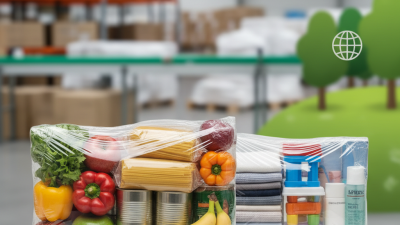
Polyethylene wrap plastic film is a versatile tool in both kitchens and storage operations. It creates an airtight seal that helps preserve food freshness. This film is made from a type of plastic known for its strength and elasticity. Understanding how to use it effectively can enhance your food storage experience.
Many people struggle with knowing how tightly to wrap items. Too loose, and air can sneak in, leading to spoilage. Too tight, and the film can tear easily. Learning to find the right balance is key. Ideal usage involves wrapping items snugly but not overly tight. This cautious approach helps you avoid waste and ensures better food longevity.
Be mindful of the film's limitations. It is not designed for prolonged exposure to heat. Using it inappropriately can lead to melted or damaged products. Awareness of these aspects can save time and money. Wrap items for short-term storage, keeping them safe from contaminants, while being mindful of how you handle the film. The right techniques matter, and mastering them can prevent a lot of kitchen frustrations.
Choosing the Right Type of Polyethylene Wrap for Your Needs
Choosing the right type of polyethylene wrap is crucial for your projects. There are different types available, each designed for specific uses. For instance, low-density polyethylene (LDPE) is flexible and great for food storage, while high-density polyethylene (HDPE) offers more strength and durability for industrial applications. According to an industry report, LDPE can maintain its integrity with moisture protection for up to three years.
When selecting polyethylene wrap, consider the thickness. Thicker films provide better protection but might be less flexible. A 2019 study noted that a 4-mil thickness can reduce tears significantly compared to 2-mil options. This is essential when wrapping sharp or heavy objects.
One tip is to choose wraps with UV protection if you’re storing items outdoors. This prevents degrading and ensures lasting quality. Additionally, consider the width of the roll; a 20-inch wrap can cover more area, leading to time savings during usage. Remember, not all films are created equal, and matching the wrap’s properties to your specific needs enhances effectiveness. Always test a small section to ensure it meets your requirements before extensive use.
Techniques for Efficiently Wrapping Items with Plastic Film
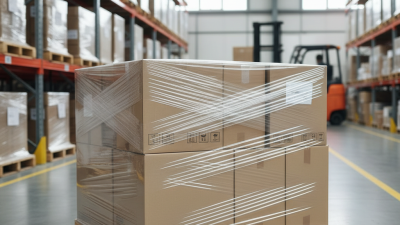
Using polyethylene wrap can be an efficient way to protect items, but technique matters. Start by cutting the film to a manageable length. Too much film can create waste. Hold the roll tightly while unrolling. This prevents tangles and allows for better control.
When wrapping, ensure the item is clean and dry. Moisture can compromise the film's effectiveness. Begin at one side and work your way around, overlapping each layer slightly. This ensures complete coverage. For larger items, consider using two people. One can hold the item steady, while the other wraps.
Don't rush through the process. Take your time to mold the film around the item. This creates a snug fit, preventing air pockets that can lead to damage. If the wrap tears, stop and fix the issue. A perfect seal is crucial for protection. Each time you wrap, reflect on your technique to improve with practice.
Effectiveness of Different Techniques for Using Polyethylene Wrap Plastic Film
Best Practices for Storing and Maintaining Polyethylene Wrap
When it comes to storing polyethylene wrap, proper maintenance is essential. Avoid exposing the film to direct sunlight, as UV rays can degrade its quality. Store it in a cool, dry place to extend its lifespan. Keep it away from sharp objects that might puncture or tear the material. It's important to regularly check for any signs of wear.
Using polyethylene wrap effectively also involves understanding its limitations. Overstretching the film can lead to a loss of its sealing capabilities. Consider the thickness of the wrap; a thinner film may not provide the same protection as a thicker one. Proper usage can help minimize waste and improve food preservation. It’s also worth noting that not all polyethylene films are suitable for microwave use. Always refer to guidance on how to handle the product effectively.
Reflecting on these practices, users often find themselves making mistakes. Forgetting to check for air pockets can result in spoilage. Not all films work well with every food type. Some users face challenges with clinginess. Learning from these experiences can lead to better outcomes in your food storage efforts.
10 Tips for Using Polyethylene Wrap Plastic Film Effectively
| Tip Number |
Tip Description |
Best Practices |
| 1 |
Choose the Right Thickness |
Select a thickness based on the items being wrapped. |
| 2 |
Keep It Dry |
Store wrap in a dry area to prevent moisture damage. |
| 3 |
Use Proper Technique |
Ensure a tight seal to protect contents effectively. |
| 4 |
Avoid Overlapping Excessively |
Too much overlap can waste material and reduce effectiveness. |
| 5 |
Label Wrapped Items |
Use labels to identify contents for easy access. |
| 6 |
Use Heat to Shrink |
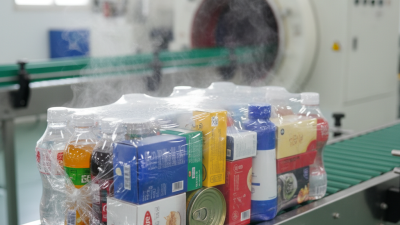
Apply heat to enhance the wrapping and protect contents. |
| 7 |
Store at Optimal Temperature |
Keep wrap in a cool, consistent temperature environment. |
| 8 |
Recycle Used Wrap |
Participate in recycling programs where available. |
| 9 |
Keep Away from Sharp Objects |
Avoid contact with sharp items that can puncture the wrap. |
| 10 |
Practice Safety Measures |
Use gloves while handling to avoid skin irritation. |
Environmental Considerations and Disposal Options for Plastic Film
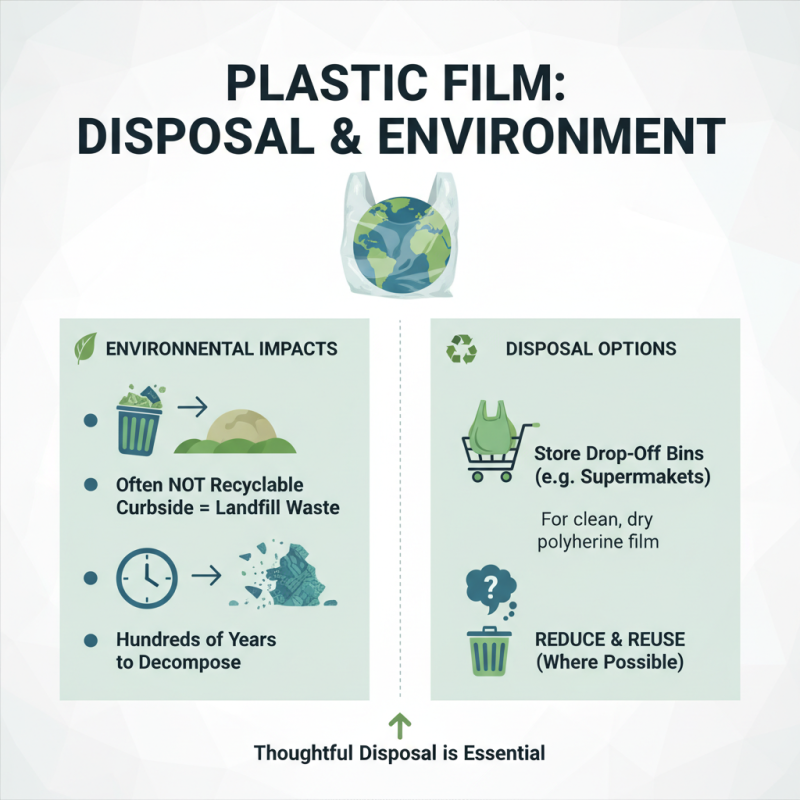
When using polyethylene wrap, it is crucial to consider environmental impacts. Plastic films are often not recyclable curbside. This creates significant waste in landfills. The film can take hundreds of years to decompose. Therefore, thoughtful disposal is essential.
Recycling options for plastic film exist but vary by location. Some grocery stores accept clean plastic wrap for recycling. However, many communities lack such programs. Not all facilities are equipped to handle plastic film. This inconsistency can lead to confusion and increased waste.
It’s vital to reflect on our usage habits. Consider alternatives to plastic wraps, like reusable food storage solutions. Sometimes, using plastic seems convenient, but the environmental cost is high. Making mindful choices can significantly reduce our ecological footprint.