How to Effectively Use Shrinkwrap for Packaging Solutions?
In the packaging industry, effective use of shrinkwrap is pivotal for product integrity and presentation. As noted by industry expert Dan Thompson, “Shrinkwrap provides a reliable shield against moisture and damage.” This technique not only enhances product visibility but also extends shelf life. Selecting the right shrinkwrap can drastically alter packaging efficiency.
Many businesses struggle with choosing suitable shrinkwrap materials and techniques. It’s crucial to match the type of shrinkwrap to the specific products being packaged. A common oversight is underestimating the importance of proper heat application. Too much heat can cause unsightly defects, while too little may not create a secure seal.
The role of shrinkwrap is often overlooked in sustainability discussions. Some materials are less eco-friendly than others, causing a need for critical evaluation. Companies must balance securing their products with environmental impact. By understanding these nuances, businesses can improve both packaging quality and responsibility. Proper harnessing of shrinkwrap technology fosters not just efficiency but also brand trust.
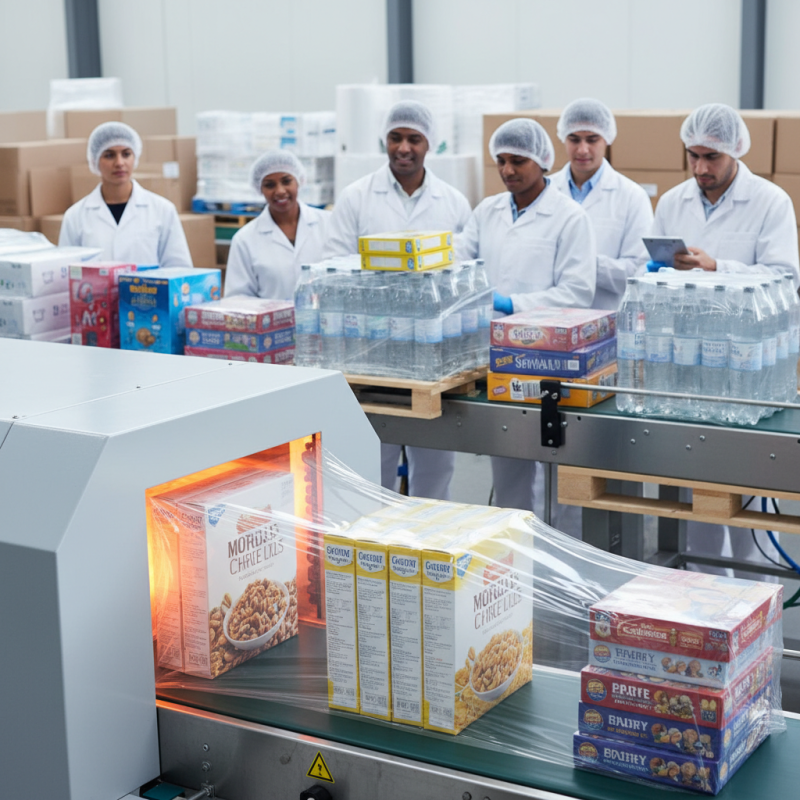
Understanding Shrinkwrap: Types and Materials Used
Shrinkwrap packaging is a versatile solution widely used across various industries. It is crucial to understand the types and materials involved. Commonly used materials include polyolefin, PVC, and polyethylene.
Polyolefin offers excellent clarity and stretch, making it suitable for products requiring visibility. PVC, on the other hand, is noted for its durability but may not be as eco-friendly.
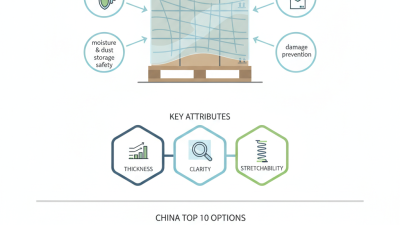
Materials can greatly affect the shrinkage process. The thickness of the film plays a vital role in ensuring products are covered securely. A thicker film often provides better protection but can be less economical. Factors such as the product’s shape and weight can influence the choice of shrinkwrap.
Choosing the right type demands careful consideration. Some users may experience challenges when selecting the appropriate material. Testing different types may yield varied results, often prompting a need for adjustments. Awareness of these factors can lead to better decision-making in shrinkwrap packaging.
Balancing cost, protection, and presentation will ultimately guide your choice.
Key Advantages of Using Shrinkwrap for Packaging
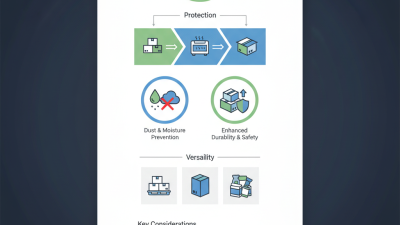
Shrinkwrap is a popular choice for packaging due to its many advantages. One key benefit is its ability to provide a tight seal. This tight seal protects products from dust, moisture, and contaminants. The shrinkwrap hugs the item closely, maintaining its shape and preventing damage during transport. The clarity of the wrap also enhances product presentation, allowing customers to see the item clearly.
Another advantage is the versatility of shrinkwrap. It can be used for various products, from food items to electronics. This makes it a reliable solution for businesses across different industries. Despite its benefits, some companies struggle with machine setup and operating procedures. Training staff on how to use shrinkwrap equipment properly is crucial. Improper application can lead to waste and increased costs.
Lastly, shrinkwrap is cost-effective. It typically consumes less material compared to other packaging types. However, businesses need to consider environmental impacts when choosing packaging materials. While shrinkwrap can reduce waste when used efficiently, it also contributes to plastic pollution. Reflecting on these aspects can help businesses make better packaging choices.
Step-by-Step Guide to Shrinkwrapping Products
Shrinkwrapping is a popular packaging technique that enhances product protection and presentation. To effectively use shrinkwrap, you need to understand the practical steps involved. The first step is selecting the right shrink film. There are various materials available, such as PVC and Polyolefin, each with unique properties. According to a recent market study, the global shrink film market is projected to reach $9.4 billion by 2025, showing significant demand in various sectors.
Next, prepare the products for wrapping. Ensure they are clean and free of moisture to achieve optimal results. Improperly prepared items may lead to ineffective sealing. After that, cut the film to the appropriate size. A common mistake is using a film that is too short. This can result in insufficient coverage, leading to potential damage during transport.
Heat sealing is the critical phase. Using a heat gun or shrink tunnel can ensure the wrap adheres tightly. However, overexposure to heat can cause the film to become brittle or discolor. Studies indicate that mishandling during this step can increase product returns by up to 15%. Always test your process with sample products before moving to production. A close examination of these steps can minimize wastage and enhance efficiency. Understanding these details is essential for a successful shrinkwrapping process.
Best Practices for Applying Shrinkwrap Effectively
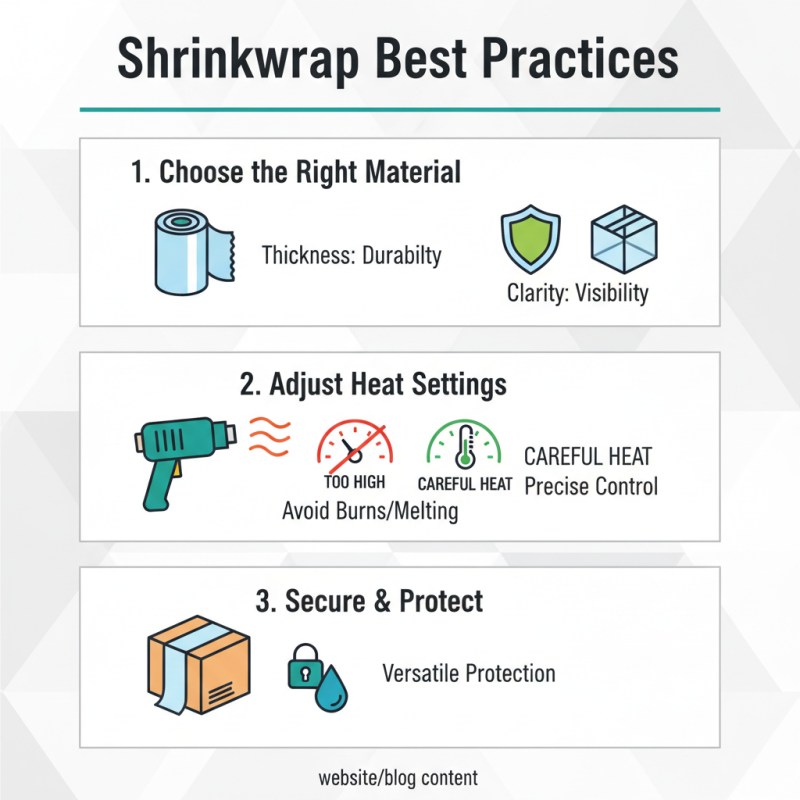
Shrinkwrap is a popular choice for packaging due to its versatility and protective qualities. To apply shrinkwrap effectively, choosing the right material is crucial. Thickness and clarity matter. A thicker wrap provides better durability, while clear options allow for product visibility. Adjust the heat settings carefully. Excessive heat can cause burns or melting, complicating your packaging efforts.
Here are some tips for effective shrink wrap application. Ensure a clean working surface. Dust and debris can lead to imperfections in the final product. Use an appropriate heat source, such as a heat gun or chamber. Consistent temperature is key. Avoid exposure to drafts during the heating process, as it can create uneven shrinkage.
Customer perception is impacted by packaging. Make sure to train staff on proper techniques. A lack of experience can lead to wasted materials or damaged products. Regularly evaluate your process. Gather feedback and make adjustments based on your observations. Perfecting the use of shrinkwrap is a journey, and continued learning is essential.
Common Mistakes to Avoid When Using Shrinkwrap in Packaging
When using shrinkwrap for packaging, mistakes can lead to significant issues. One common error is improper heat application. If the heat is too high, the wrap can melt and compromise the integrity of the package. If it is too low, the wrap may not shrink adequately, resulting in a loose fit. Always test the heat settings before working on large batches.
Another mistake involves not accounting for the type of product being packaged. Products with sharp edges or irregular shapes can easily puncture the shrinkwrap. This can result in damaged packaging and compromised contents. Using padded materials or protective corners can help mitigate this risk.
Inadequate storage conditions can also create problems. Shrinkwrap should be stored in a cool, dry place. Excessive heat or moisture can degrade the material, leading to reliability issues. It's essential to continuously assess storage methods to maintain the quality of your shrinkwrap. Regular quality checks can prevent unforeseen issues down the line.
How to Effectively Use Shrinkwrap for Packaging Solutions? - Common Mistakes to Avoid When Using Shrinkwrap in Packaging
| Common Mistakes |
Description |
Consequences |
Solutions |
| Inadequate Heat Settings |
Using incorrect temperature settings for the shrink wrap. |
Poor seals and unwrapped products. |
Perform regular checks on heat settings according to material guidelines. |
| Incorrect Material Type |
Using incompatible shrinkwrap material for the product. |
Increased risk of damage during shipping. |
Select shrinkwrap materials that are appropriate for the product type. |
| Improper Packing Techniques |
Not leaving adequate space between products before wrapping. |
Results in crushed or damaged items. |
Ensure proper spacing and support for fragile items. |
| Neglecting Surface Preparation |
Failing to clean the product surfaces before wrapping. |
Adhesion failures and product contamination. |
Clean all surfaces thoroughly before application. |
| Overpacking |
Wrapping too many items together, exceeding wrap capacity. |
Ineffective shrink and higher risk of bursting. |
Limit the number of items per package to ensure effective shrinkage. |