Discover the Best Shrinkwrap Solutions in China for Your Packaging Needs?
In today's fast-paced packaging industry, the demand for efficient solutions is rising. Shrinkwrap is a popular choice for many companies. According to a recent report by Market Research Future, the global shrink wrap market is projected to grow at a CAGR of 3.6% from 2021 to 2027. This growth highlights its importance in packaging.
China stands out for its diverse range of shrinkwrap options. Various manufacturers offer innovative materials and techniques. These advancements ensure that products are well-protected and visually appealing. However, not all solutions meet industry standards. Businesses must carefully evaluate their choices.
The efficiency of shrinkwrap can sometimes be overstated. While it is effective for many products, specific items may require alternative packaging methods. Exploring various options is essential. This exploration encourages a better understanding of shrinkwrap's strengths and limitations, leading to improved packaging strategies.
Understanding Shrinkwrap: Definition and Applications in Packaging
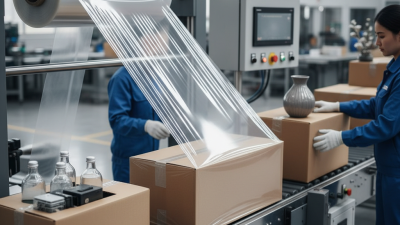
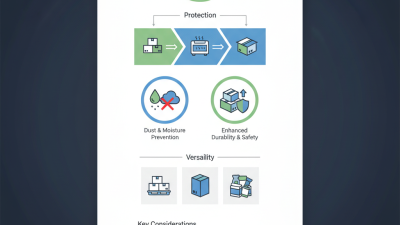
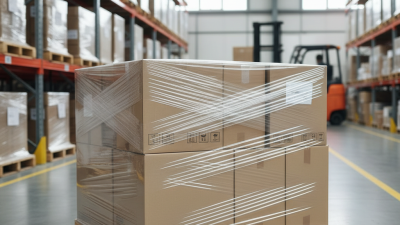
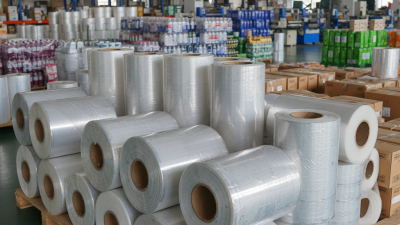
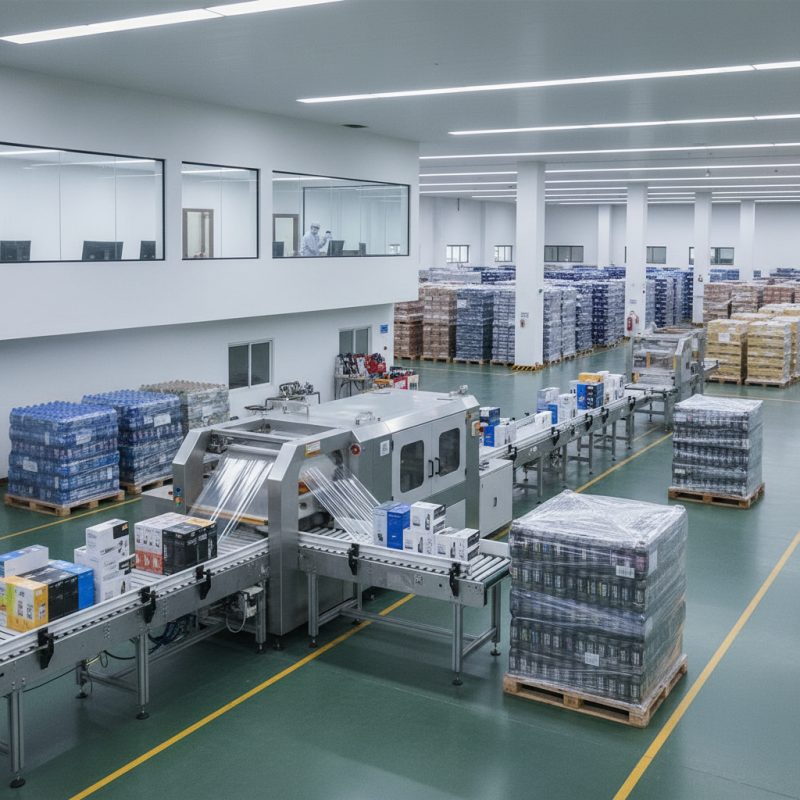
Shrinkwrap is a versatile packaging solution used across various industries. It consists of a plastic film that shrinks tightly around products when heat is applied. This unique feature makes shrinkwrap ideal for protecting goods during storage and shipment. It provides a barrier against dust, moisture, and physical damage, ensuring that items arrive in optimal condition.
There are numerous applications for shrinkwrap in packaging. It is commonly used for bundling products, like beverage cans, or for wrapping gifts. Companies favor shrinkwrap because it enhances product presentation. The clarity of the film allows customers to see the product, which can increase sales. However, it is crucial to consider the environmental impact of plastic films. While they provide excellent protection, they can contribute to waste if not disposed of properly.
Choice of shrinkwrap material is essential. Different types offer varying levels of strength and clarity. Understand the specific needs of your products before selecting materials. Evaluate the weight, size, and sensitivity of items being packaged. Testing different options can take time, but it is necessary for achieving the best results. Not all shrinkwrap will perform equally, leading to unsatisfactory outcomes if the wrong type is chosen.
Types of Shrinkwrap Materials Used in Packaging Solutions
Shrinkwrap packaging solutions have gained immense popularity in various sectors in China. This is largely due to their versatility and effectiveness. Different types of shrinkwrap materials are used in these packaging solutions. Some of the most common materials include polyolefin, PVC, and polyethylene. Each material has unique properties that cater to specific packaging needs.
Polyolefin is often praised for its strength and clarity. According to a market analysis report, polyolefin shrink films account for about 35% of the market share. This material is known for its excellent heat-sealing capabilities and is widely used for products requiring durability. PVC, on the other hand, is more economical but less eco-friendly. Its use has declined as consumers become more environmentally conscious. However, it is still effective for short-term packaging.
The polyethylene segment has seen a significant rise in popularity, especially for food packaging. Recent studies indicate a 25% increase in demand for polyethylene shrink films in the last two years. This growth reflects a shift towards more sustainable options. The challenge remains in balancing cost and environmental impact. While polyethylene offers safety in food packaging, its recycling difficulties cannot be overlooked. The industry is still exploring more ecologically responsible alternatives to meet growing consumer demands while maintaining functionality.
Types of Shrinkwrap Materials Used in Packaging Solutions
Top Shrinkwrap Manufacturers and Suppliers in China
In recent years, shrinkwrap packaging has gained immense popularity in various industries. China, known for its robust manufacturing capabilities, offers a wide range of shrinkwrap solutions. Many manufacturers focus on quality and efficiency. They produce shrink films tailored to different needs, from food packaging to industrial applications. Various materials are available, including PVC, PE, and PP, each with unique properties.
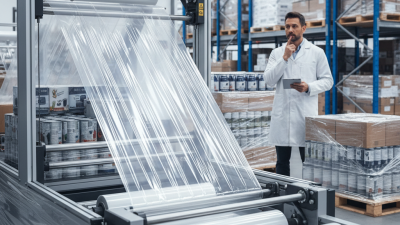
When selecting a supplier, understanding their production processes is critical. Look for companies that prioritize consistent quality control measures. Many factories employ modern technologies to enhance their output. It's not just about quantity; the reliability of the shrinkwrap can make or break a product's presentation. Packaging plays a vital role in consumer perception, so choosing the right material matters.
It's worth noting that not all manufacturers meet high standards. Some may offer cost-effective solutions at the expense of quality. This is where thorough research becomes essential. Reading reviews and assessing past projects can reveal a supplier's reliability. A short conversation with industry experts can also provide insights into their preferred manufacturers and suppliers.
Evaluating the Best Shrinkwrap Solutions for Different Industries
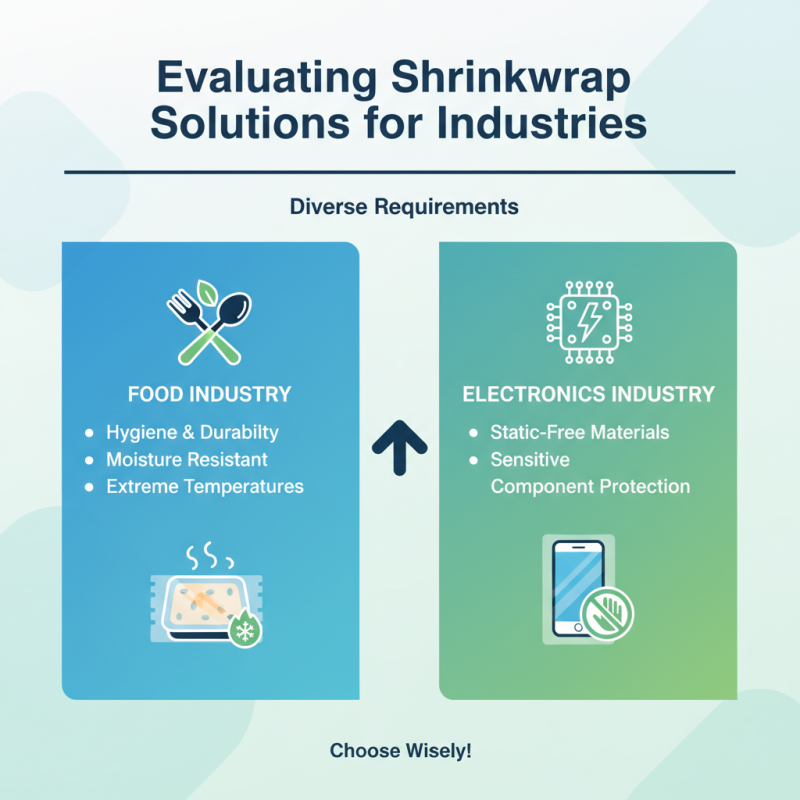
When evaluating shrinkwrap solutions for different industries, consider the diverse requirements each sector holds. The food industry, for example, demands high standards of hygiene and durability in packaging. It requires shrinkwrap that can withstand moisture and extreme temperatures. In contrast, the electronics industry might prioritize static-free materials to protect sensitive components.
Retail packaging often seeks visually appealing designs that attract consumers while ensuring product safety. This sector may benefit from colorful and eco-friendly shrinkwrap that enhances brand visibility. However, not all solutions will fit every situation. Some shrinkwraps may be too rigid for delicate items, introducing risk during transportation.
Additionally, companies must reflect on the cost-effectiveness of their choices. While high-quality shrinkwrap might initially seem like a larger investment, its ability to reduce product damage can ultimately save money. Therefore, it's crucial to assess not only the material properties but also the long-term impact on your bottom line. Balancing these factors can be challenging and requires ongoing evaluation.
Sustainability in Shrinkwrap Packaging: Trends and Innovations in China
Sustainable packaging is a crucial topic in today's eco-conscious market. In China, shrinkwrap solutions are evolving to meet sustainability goals. Manufacturers are increasingly focusing on biodegradable materials. These innovations reduce the environmental impact of packaging. New techniques allow for thinner wraps without compromising durability. This shift helps in lowering plastic usage, a significant concern for pollution.
Another interesting trend is the development of recyclable shrink films. These films can be processed again, minimizing waste. Businesses are adopting these options, which reflect a growing awareness of environmental responsibility. Companies often struggle to find the right balance between functionality and sustainability. This highlights the ongoing need for innovation in shrinkwrap solutions.
Additionally, the industry is embracing digital technologies for better material tracking. These efforts ensure quality control and enhance recycling processes. However, not all companies are keeping up. Some still rely on conventional methods, which can hinder overall progress. It is essential for businesses to reflect on their practices and adapt to sustain their market relevance.