How to Choose Pallet Stretch Wrap Film for Global Shipping?
Choosing Pallet Stretch Wrap Film for global shipping is not simply a matter of selecting the thickest roll. The right film must protect a load through handling, storage, vibration, humidity, temperature changes, and long transit times. A pallet of boxed electronics needs different support from one carrying ceramic tiles or irregular machinery parts. The details matter.
Start with the load. Record its weight, height, sharp edges, surface texture, and pallet condition. Then examine the wrapping method. Hand wrapping, semi-automatic equipment, and high-speed machines apply different levels of tension and pre-stretch. A film that performs well by hand may fail when machine tension increases. Film gauge, puncture resistance, tear strength, cling, and holding force should match the shipment rather than follow a general rule. No film is perfect.
Route conditions also deserve careful attention. Ocean containers may expose pallets to moisture and temperature swings, while road transport can create repeated vibration and sudden braking. Reliable packaging decisions should combine supplier technical data with practical trials. Wrap sample pallets, measure film consumption, and inspect corner stability after simulated movement. Do not trust appearance alone. A tightly wrapped pallet can still hide internal shifting.
Experienced packaging teams also review recycled content, recyclability, core size, storage conditions, and compatibility with warehouse equipment. Regional supply consistency matters, too. A specification is useful only when suppliers can reproduce it across locations. Even then, results may vary slightly. That is worth questioning. This guide explains how to compare Pallet Stretch Wrap Film with clearer criteria, fewer assumptions, and evidence that supports safer global shipping decisions.

Understanding Pallet Stretch Wrap Film and Its Role in Global Shipping
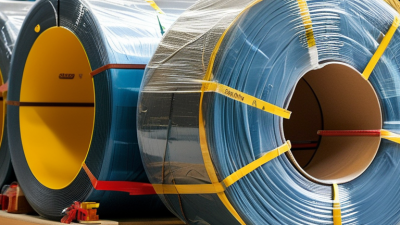
Pallet stretch wrap film is more than a clear covering around a shipment. It creates tension that holds cartons together during lifting, truck movement, port handling, and container vibration. Stable loads matter.
In practical warehouse work, film choice starts with the pallet, not the film roll. Heavy cartons may need higher puncture resistance, while uniform boxes often benefit from controlled stretch. A reliable film should cling consistently without tearing at corners. Edge protectors can reduce damage where sharp carton edges press against the wrap. Humidity, cold storage, and long transit times also influence performance. A film that works well indoors may become less flexible in a cold container. That detail is easy to miss.
A heavier film is not always safer. Overwrapping can increase cost and may hide weak stacking or poor load alignment. I have seen teams add more layers when the real problem was uneven weight distribution. That approach deserves review. Test a representative pallet with the planned wrapping pattern, then inspect it after vibration or handling simulation.
Tips: Measure the load first. Check film stretch, holding force, and tear resistance. Keep cartons square and place heavier items below lighter ones. Use consistent overlap between layers. Record failures, including loose corners, film breaks, and shifted cartons. Small records can improve future purchasing decisions.
Comparing Film Types, Thicknesses, Strength, and Stretch Performance
Global shipping exposes pallet loads to vibration, humidity, cold docks, and uneven handling. Choosing stretch film starts with the cargo, not the carton label. In warehouse trials, I measure load weight, corner sharpness, pallet stability, and wrapping speed. A hand-applied cast film runs quietly and offers consistent thickness. Blown film usually provides stronger puncture resistance and better holding power. It may feel noisier and less uniform.
Thickness alone does not define protection. A thinner film can work when its tensile strength, tear resistance, and stretch capacity match the load. Heavy or irregular cargo may need a thicker gauge, especially around sharp edges. Yet excessive thickness raises material use without guaranteeing stability. Test it. Use the same pallet, wrap pattern, and number of revolutions. Record film stretch, force at the load, tail security, and damage after transport. Pre-stretched film can reduce operator effort, but it needs careful tension control. Too little tension leaves loose layers. Too much can crush soft boxes.
Stretch performance should be checked in both machine and manual applications. A film reaching 250 percent stretch is not automatically better than one reaching 180 percent. The useful figure is controlled stretch under real load conditions. Cold storage can change flexibility. Dust can weaken adhesion between layers. I once treated a stable test pallet as proof, then found shifting cartons after a longer route. That mistake mattered. Recheck samples after vibration, temperature changes, and unloading. Keep records by film thickness, load type, and wrapping setting. Small differences become expensive at scale.
The chart compares representative industry values for common pallet stretch-wrap film categories. Machine-grade films generally provide higher stretch performance and tensile strength, while cast films offer consistent thickness and quiet application. Actual results vary with resin formulation, production process, temperature, load shape, and test method.
Selecting Film for Climate, Regulations, and International Handling
How to Choose Pallet Stretch Wrap Film for Global Shipping?
Choosing stretch wrap for international shipping requires more than checking film thickness. Climate can change the film’s performance before the pallet reaches its destination. Hot, humid routes may soften adhesive and increase cling, while cold storage can make film less flexible. Strong sunlight may also weaken some materials during outdoor handling. A film that works in a dry warehouse may fail after weeks near a port.
International regulations also deserve careful review. Packaging rules may address recyclability, material identification, recycled content, or waste disposal. Requirements differ by destination and may change over time. Confirm current guidance with qualified logistics or compliance specialists. Do not rely on an old supplier sheet. That shortcut can create delays.
Handling conditions matter just as much. Forklifts, vibration, uneven roads, and repeated transfers can loosen poorly contained loads. Select film with suitable puncture resistance, stretch recovery, and load retention. Test wrapped pallets under realistic temperature and transport conditions. Measure corner stability, film breakage, and load movement. Keep records for each route.
There is no perfect specification. In practical packing reviews, teams sometimes choose thicker film when better application control would help more. That choice may increase material use without improving protection. Start with the actual load, climate, and handling pattern. Then adjust the film after observing real failures. Small details matter.
Evaluating Cost, Sustainability, and Supplier Reliability
Choosing pallet stretch wrap for global shipping requires more than comparing roll prices. In warehouse trials, I measure cost per wrapped pallet, not cost per roll. A thinner film may appear cheaper, yet break during corner loading and increase labor. Test containment force, puncture resistance, and elongation with your actual pallets. Record film weight, wrapping cycles, and damaged loads. Small differences become expensive across thousands of shipments.
Sustainability needs evidence, not attractive wording. Consider downgauged film, recycled content, and the total material used per pallet. However, thinner is not automatically greener if failures create rework or extra packaging. Ask suppliers for verified specifications, recycling guidance, and clear test methods. I once accepted a lower-weight film too quickly; its performance changed in cold storage. That result was disappointing, but useful.
Tips: Request samples from at least two production batches. Check rolls for uneven edges, telescoping, and inconsistent tension. Confirm lead times, minimum order quantities, and emergency capacity in writing. A reliable supplier should provide lot traceability, technical support, and a practical complaint process. Ask for quality documents before approval, not after a shipment problem. Keep a backup source where feasible. Supplier promises can sound strong. Records matter more.
How to Choose Pallet Stretch Wrap Film for Global Shipping? - Evaluating Cost, Sustainability, and Supplier Reliability
Indicative market benchmark for standard industrial pallet loads. Actual performance and pricing vary by load geometry, transport route, application method, order volume, and regional regulations.
| Film Configuration |
Nominal Thickness
(microns) |
Typical Recycled
Content |
Estimated Film Use
(g/pallet) |
Estimated Packaging Cost
(USD/pallet) |
Estimated Film-Related
CO₂e (kg/pallet) |
Puncture Resistance
(1–5) |
Load Retention
(1–5) |
Best-Fit Shipping Scenario |
| Standard LLDPE Cast Film |
23 |
0% |
750–950 |
1.85–2.45 |
1.85–2.35 |
3 |
3 |
Regular domestic or short-distance shipments with stable, uniform loads. |
| High-Performance Pre-Stretched Film |
10–15 |
0–30% |
400–600 |
1.55–2.20 |
0.95–1.75 |
4 |
4 |
Global road, ocean, and intermodal shipments where lower film consumption is important. |
| Machine-Applied High-Strength Film |
15–20 |
0–30% |
500–750 |
1.40–2.10 |
1.20–2.05 |
5 |
5 |
Heavy, irregular, sharp-edged, or high-value loads requiring consistent machine tension. |
| Recycled-Content Stretch Film |
17–23 |
30–50% |
650–900 |
1.70–2.55 |
1.15–1.95 |
3–4 |
3–4 |
Shipments requiring recycled-content documentation and a balanced sustainability profile. |
| High-Clarity Hand Film |
17–23 |
0–30% |
850–1,150 |
2.05–2.95 |
1.65–2.80 |
3 |
3 |
Low-volume operations, mixed SKU pallets, and facilities without wrapping equipment. |
| Ultra-Thin Down-Gauged Film |
9–12 |
0–30% |
350–550 |
1.45–2.05 |
0.85–1.65 |
4 |
4 |
High-throughput automated lines with validated tension settings and well-controlled loads. |
Supplier Reliability Evaluation
| Supplier Assessment Dimension |
Recommended Target |
Why It Matters for Global Shipping |
Evaluation Method |
| On-Time Delivery Performance |
≥95% |
Reduces production interruptions and emergency purchases caused by long international transit times. |
Review at least six to twelve months of delivery records. |
| Standard Production Lead Time |
≤21 calendar days |
Shorter lead times lower the safety stock required for overseas operations. |
Confirm written lead times for standard and customized specifications. |
| Supply Continuity |
At least two qualified production sites or contingency plans |
Provides protection against port disruption, raw-material shortages, weather events, and regional outages. |
Request documented business-continuity and alternative-sourcing procedures. |
| Quality Consistency |
Thickness variation within agreed specification |
Consistent film thickness and tensile strength help maintain predictable load containment during long-distance handling. |
Check certificates of analysis, batch records, and independent sample-test results. |
| Sustainability Documentation |
Verified recycled-content and material declarations |
Supports customer reporting, packaging regulations, and defensible environmental claims. |
Verify recycled-content statements, life-cycle data, and applicable conformity documents. |
| Technical Support |
Documented load-testing and wrapping recommendations |
Correct film selection and machine settings can reduce film consumption, product damage, and shipment instability. |
Require pallet trials, load-retention testing, and written application parameters. |
Cost and CO₂e estimates are indicative ranges based on common industrial stretch-film consumption levels and published life-cycle emission factors for polyethylene packaging. A lower film weight does not automatically provide better sustainability or lower total cost; load stability, damage prevention, recyclability, transport efficiency, and supplier continuity should be evaluated together.