10 Best Stretch Film Types You Should Know About?
Stretch Film plays a crucial role in the packaging industry. According to a recent report by MarketsandMarkets, the global stretch film market is projected to reach $10.9 billion by 2025, growing at a CAGR of 4.7%. This highlights the increasing demand for effective wrapping solutions across various sectors. Renowned industry expert Dr. Emily Hartman once stated, “The versatility of stretch film provides countless applications, reflecting the innovation within this space.”
There are several types of Stretch Film to consider. Each type serves different purposes depending on the application, material, and load requirements. For instance, cast stretch film offers superior clarity and cling, while blown stretch film delivers better puncture resistance. These specifics matter when choosing the right film for your needs. However, many users overlook essential factors like thickness and stretch ability, which can impact performance.
Not all Stretch Film is created equal. Selecting the right type requires understanding your specific needs. The complexity of options can lead to errors in choice. A poor selection might cause damaged goods or higher costs. It's essential to evaluate the properties of each Stretch Film type carefully. Balancing cost and quality can be challenging but is crucial for optimal efficiency.
Understanding the Basics of Stretch Film and Its Applications
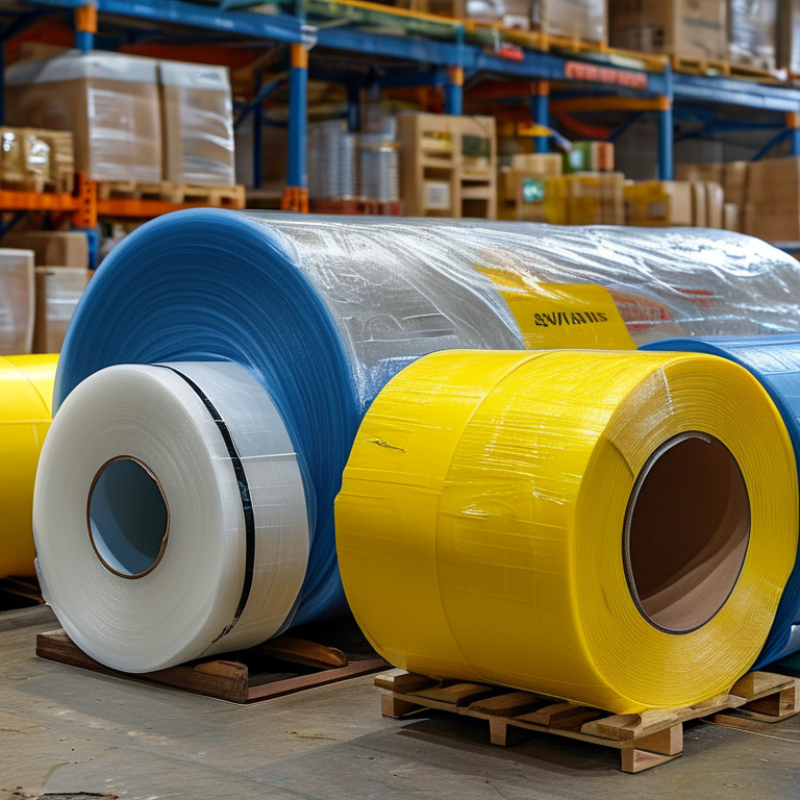
Stretch film is a versatile packaging solution widely used in various industries. Understanding its types and functionalities provides valuable insights. The essence of stretch film lies in its ability to cling tightly to products for secure wrapping. This reduces the risk of damage, especially during transportation. Many warehouses and logistics operations rely on it for efficiency.
Different types of stretch films cater to specific applications. For instance, hand stretch film is commonly used for manual wrapping, while machine stretch film is designed for automated processes. Each film type varies in thickness, stretchability, and transparency. Users must choose wisely to meet their needs. Thin films might save cost but can sacrifice protection.
Quality also varies across films, which is crucial to consider. A poor-quality film may tear easily, leading to potential losses. Investing in a reliable stretch film reduces risk in the long run. Researching features like puncture resistance and load stability is essential. These aspects enhance product safety during transit. Users should assess their packaging requirements thoroughly to avoid mistakes. Proper understanding ensures the right choice.
Types of Stretch Film: A Comparative Overview
When discussing stretch film types, understanding the collection of options available is essential. From the basic hand stretch film to more advanced machine film, each type serves specific needs in packaging. According to a report by MarketsandMarkets, the global stretch film market is projected to grow from $10.6 billion in 2020 to $15.5 billion by 2025, illustrating the increasing dependence on these versatile films for various industries.
Hand stretch film is popular due to its ease of use. It's particularly favored in small to medium-sized packaging operations. On the other hand, machine stretch film excels in high-volume environments. Statistics show that more than 80% of pallets in warehouses are wrapped with machine stretch films. This method provides consistent tension and reduces waste. However, some users struggle with the transition from hand to machine application, which can lead to learning curves and inefficiencies.
Color stretch films offer additional benefits. They can help in organizing inventory quickly, making operational processes smoother. Interestingly, while many warehouse managers appreciate clarity in film, some reports reveal that colored films may not be as durable. This dichotomy can lead to challenges in balancing efficiency and quality in packaging solutions. Each type of stretch film has specific pros and cons, making informed decisions crucial.
Key Features to Consider When Choosing Stretch Film
When choosing stretch film, it’s essential to consider several key features. One primary aspect is the thickness of the film. Thicker films, around 80 gauges or more, provide better protection and resistance to tearing. With an increase in thickness, the stretchability and load-holding capacity also improve. Research indicates that a thicker stretch film can increase pallet stability by up to 40%, making it a worthwhile investment.
Another critical feature is clarity. High-quality stretch films should be transparent to allow easy identification of products underneath. This clarity is particularly important in warehouses. Additionally, consider the type of stretch film, whether pre-stretched or hand-held. Pre-stretched films are more efficient for automated systems, offering better yield per roll. According to recent industry reports, automation can increase operational efficiency by nearly 30% when using the right film type.
Finally, the puncture resistance of stretch film cannot be overlooked. Films with enhanced puncture resistance can significantly reduce product damage during transit. Data shows that up to 25% of goods damaged in transport are due to inadequate wrapping. Inadequate films may lead to failures, requiring reevaluation of film choices for improved reliability. It’s important to recognize that the right stretch film can have a substantial impact on logistics and warehousing effectiveness.
Top 10 Stretch Film Types for Various Packaging Needs
Stretch film is essential for safe and efficient packaging. It provides protection, stability, and helps to preserve products during transit. Understanding the different types of stretch film is vital for optimizing packaging processes.
Among the top options are cast stretch films. They offer excellent clarity and are ideal for high-speed applications. Reports indicate they can reduce wrapping costs by approximately 30%. Next, blown stretch films are known for their strength. They excel in heavy-load applications and provide high puncture resistance. For example, their performance can be 25% better than standard films in certain conditions.
Pre-stretched films are also noteworthy. They require less force to apply, reducing worker fatigue and improving productivity. A study by the Flexible Packaging Association stated that improper film selection leads to 15% more product damage during shipment. Choosing the right type of stretch film can significantly mitigate such issues. It's crucial to analyze specific needs before making a decision. What works for one situation may not work for another. Making informed choices promotes efficiency and safety in packaging operations.
Environmental Impact and Sustainability of Stretch Films
Stretch films are widely used for packaging, but their environmental impact raises concerns. Traditional stretch films are primarily made from polyethylene, a plastic that can take centuries to decompose. This persistence in landfills contributes significantly to pollution. Moreover, the production of these films involves fossil fuel consumption, which adds to greenhouse gas emissions.
To address these issues, the industry is exploring eco-friendly alternatives. Biodegradable stretch films are now available, made from renewable resources. These materials break down more easily in natural conditions, reducing environmental harm. Furthermore, some companies are implementing recycling programs to manage waste better. This is a step towards promoting sustainability within the packaging sector.
Tips: Consider using stretch films made from recycled materials. Research biodegradable options to reduce environmental impact. Always look for recycling facilities in your area. By making informed choices, we can mitigate the ecological footprint of stretch films and encourage responsible production practices.