How to Use Heat Shrink Film for Packaging and Protection?
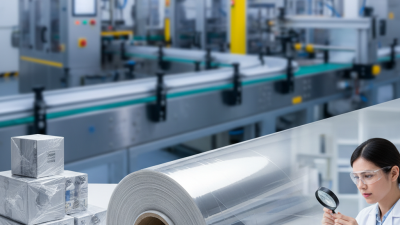
In the world of packaging, "Heat Shrink Film" plays a pivotal role. According to renowned packaging expert, Dr. Emily Johnson, “Heat Shrink Film provides unparalleled protection while enhancing product presentation.” This technique is not just about wrapping; it’s a science that combines material properties with practical application.
Many businesses overlook the potential of this versatile film. Its ability to conform tightly around products ensures maximum protection during shipping and storage. However, improper application can lead to underperformance, such as inadequate sealing or physical damage. Understanding the right heat settings and application techniques is crucial. Each product requires a tailored approach to achieve optimal results.
Moreover, users must consider their environmental impact. While Heat Shrink Film is effective, not all materials are eco-friendly. Reflecting on these aspects promotes better choices. With a thoughtful approach, Heat Shrink Film can be a game-changer in packaging, combining practicality with aesthetic appeal.

Understanding Heat Shrink Film and Its Applications
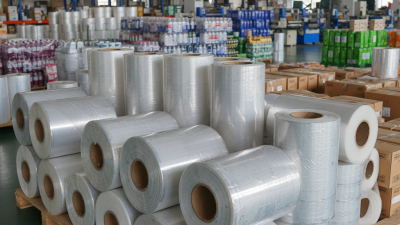
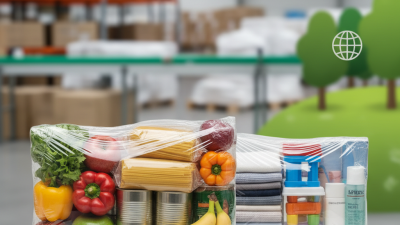
Heat shrink film is a versatile material widely used for packaging and protection. This type of film is made from plastic that shrinks when heated. It conforms closely to the shape of the item being packaged. This snug fit provides a robust protective layer against moisture, dust, and potential damage. Industries like food manufacturing, electronics, and retail frequently utilize heat shrink film to enhance product durability and appeal.
Understanding the properties of heat shrink film is essential for effective application. The film comes in various thicknesses and sizes, catering to different packaging needs. When applying it, ensure a proper seal at the edges to maintain integrity. It's also important to use the right heat source. Too much heat can cause the film to warp or tear. On the other hand, insufficient heat might not allow it to shrink fully. Using a heat gun instead of an oven often provides better control.
While heat shrink film offers many benefits, it requires careful handling. Improper cutting can lead to waste. Not every item suits shrink wrap; some may require different materials. While it’s a reliable option for many, evaluating alternatives can be beneficial. Taking the time to experiment and refine techniques will lead to improved outcomes. Embracing the nuances of heat shrink film ensures its effective use in your packaging endeavors.
Selecting the Right Heat Shrink Film for Your Needs
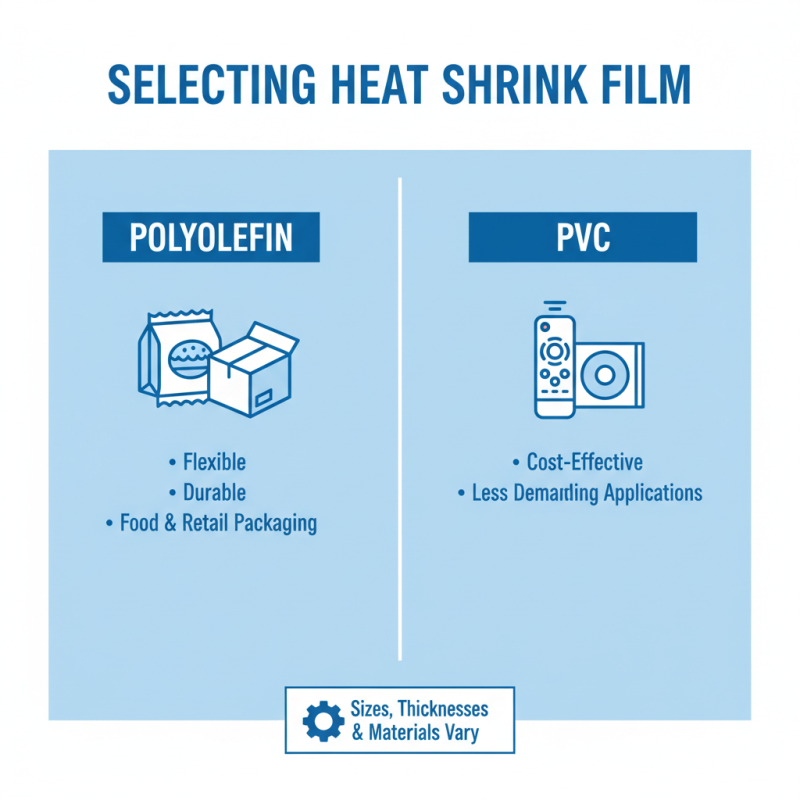
Selecting the right heat shrink film for your packaging needs involves understanding the various types available. These films come in different sizes, thicknesses, and materials, each suited for specific applications. Polyolefin and PVC are popular options. Polyolefin is flexible and durable, making it ideal for food and retail packaging. PVC, on the other hand, is cost-effective and often used for less demanding applications.
When choosing heat shrink film, consider the item you are packaging. Size matters; the film must be ample enough to fully enclose the product yet tight enough to provide stability. The thickness of the film also plays a crucial role. Thicker films offer better protection but might be harder to work with. Evaluate your packaging process as well. Make sure you have the right heat source to shrink the film properly.
Testing different films on sample products is a practical approach. This not only provides insight into the functionality but also helps in identifying any potential issues. You might find that a specific film doesn’t shrink evenly or is difficult to seal. Such setbacks can lead to waste and increased costs. Reflecting on these experiences can guide better selections in the future. Understanding your packaging needs deeply is key to making effective choices.
Preparing Items for Heat Shrink Packaging
Preparing items for heat shrink packaging is crucial for ensuring a secure and professional finish. Start by cleaning the items you want to package. Dust or moisture can affect adhesion and the effectiveness of the heat shrink film. If you're packaging delicate items, consider using bubble wrap for additional protection. This adds an extra layer, preventing scratches or damage.
Tip: Always check the size of the heat shrink film. It should be large enough to cover the entire item without being excessively loose. Wrapping items too tightly can lead to warping when heat is applied.
Next, arrange items efficiently. Lay them flat and avoid overlapping if possible. This helps to ensure even shrinkage. You might want to create small bundles rather than wrapping each item separately. If bundling is not an option, use a sturdy backing board for larger items. This can also help avoid dents.
Tip: Practice makes perfect. Not every package will look flawless on the first try. Take the time to adjust and learn from any mistakes. Each attempt brings insight into how to improve your process.
Applying Heat Shrink Film: Step-by-Step Process
Heat shrink film is an effective solution for packaging and protection. It creates a tight seal when heat is applied, ensuring the safety and presentation of products. Industry reports reveal that the use of heat shrink film has been increasing by over 5% annually. Its popularity lies in its versatility and ability to provide a barrier against moisture, dust, and damage.
Applying heat shrink film involves a few critical steps. First, choose the appropriate film thickness based on the product's dimensions. Next, cut the film to size, leaving extra material for sealing. Place the product in the center and fold the film around it. Use a heat gun to apply heat evenly, watching for the film to shrink snugly. It's important to keep the gun moving to avoid overheating or damaging the film. A common mistake is using too much heat initially.
Proper storage and handling of heat shrink materials are essential. Blocked vents or improper conditions can compromise the material’s integrity. According to the Flexible Packaging Association, proper application can lead to a 15% reduction in product damage during shipping. However, many users may skip the vacuum sealing step, which can leave air pockets that weaken the packaging. Attention to detail is crucial in achieving optimal results.
Tips for Effective Sealing and Finishing Touches
Using heat shrink film effectively requires attention to sealing and finishing touches. Proper sealing is crucial for protection. Research from the Flexible Packaging Association reports that around 72% of consumers prefer products in shrink-wrapped packaging. This popularity underscores the importance of achieving a reliable seal.
For effective sealing, ensure the heat shrink film is the right gauge. Thicker films can offer more durability but may require additional heat. Always check that your heat source is evenly distributed. Uneven heat can lead to issues like bubbles or incomplete shrinks. Monitor the temperature closely; excessive heat can cause the film to scorch while inadequate heat results in weak seals.
Adding finishing touches enhances the overall look of packaged products. Consider trimming any excess material after shrinking. This not only improves aesthetics but also reduces bulk. Use a clean, sharp tool for the best results. It is crucial to inspect each package for consistency. Inconsistent packaging may lead to customer dissatisfaction. Taking time to review your sealing process will lead to more reliable outcomes.