How to Use Heat Shrink Film for Effective Packaging Solutions?
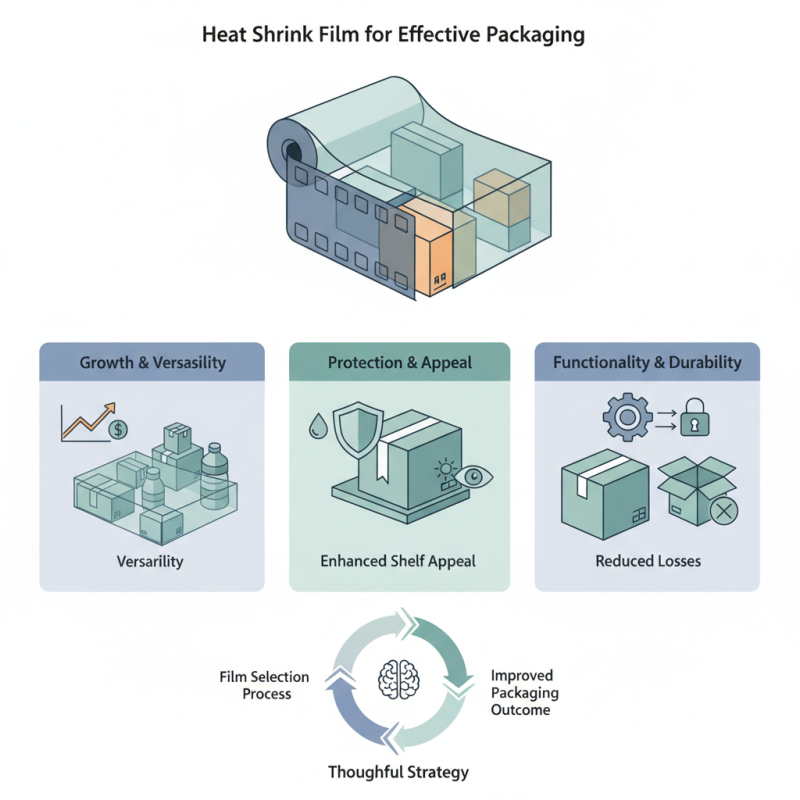
The use of Heat Shrink Film has surged in popularity within the packaging industry. According to a recent market report by Smith Research, the Heat Shrink Film market is expected to reach $12 billion by 2025. This growth stems from its versatility and effectiveness in ensuring product safety and enhancing shelf appeal.
Industry expert Dr. Emily Hayes states, “Heat Shrink Film provides unmatched protection against environmental factors, which is crucial in today's consumer market.” Her insight highlights the importance of packaging solutions in preserving product integrity. Effective packaging is not just about aesthetics; it's also about functionality and durability.
However, selecting the right Heat Shrink Film can be challenging. Many companies struggle to balance between cost and quality. Packaging failures can lead to significant financial losses. Therefore, understanding the characteristics of different films and their applications is essential. This necessitates a thoughtful strategy in using Heat Shrink Film for improved packaging solutions.
Introduction to Heat Shrink Film in Packaging
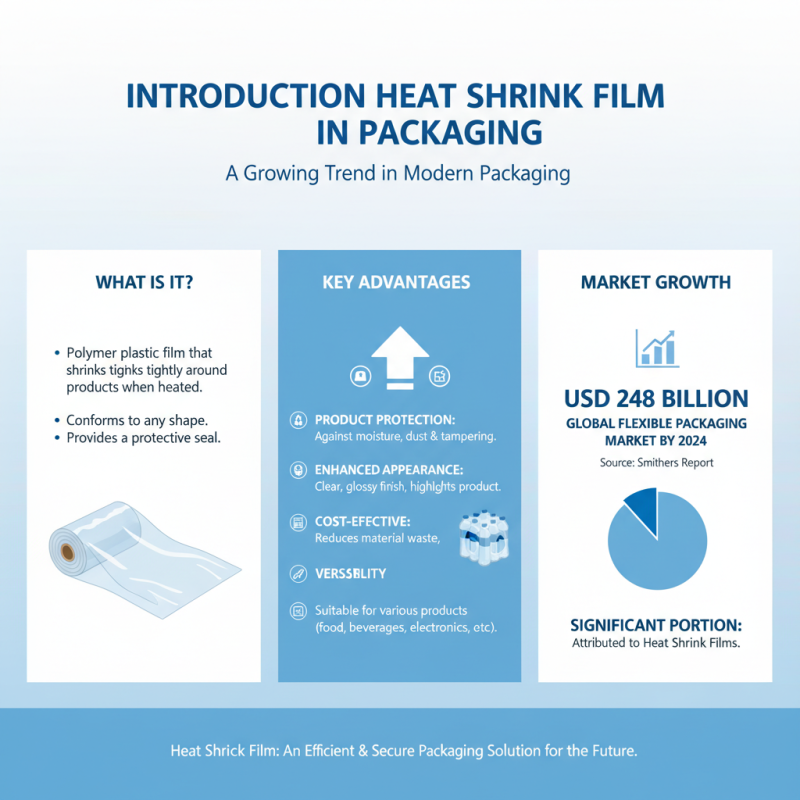
Heat shrink film is gaining traction in the packaging industry. It offers numerous advantages for businesses looking for effective packaging solutions. According to a report by Smithers, the global flexible packaging market is expected to reach $248 billion by 2024. A significant portion of this growth is attributed to the increased use of heat shrink films.
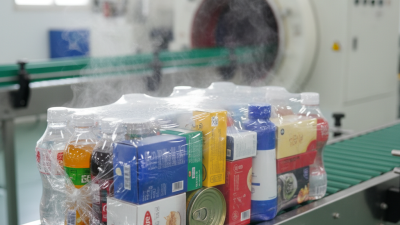
This versatile material is used across a variety of sectors, including food and beverage, consumer goods, and electronics. Heat shrink film provides excellent clarity, which showcases products beautifully. Furthermore, it protects items from dust, moisture, and tampering. However, not all heat shrink films are created equal. Selection is critical, as incorrect film types can cause packaging failures, increasing costs and waste.
Implementing heat shrink film can be complex. Often, companies may underestimate the importance of the sealing process. A poorly sealed package can lead to spoilage or damage, negating the benefits of shrink wrap. Training staff on proper application techniques is essential. As the industry evolves, keeping abreast of new developments in materials and techniques is crucial for maintaining a competitive edge.
Benefits of Using Heat Shrink Film for Packaging Solutions
Heat shrink film is gaining attention as an effective packaging solution. One major benefit is its versatility. This material adapts to various product shapes, providing secure coverage. In 2021, the global heat shrinkable film market was estimated at $4.5 billion and is expected to grow at a CAGR of 5.6% until 2028. This growth reflects the increasing demand across industries, particularly in food and beverages.
In addition to adaptability, heat shrink film offers excellent protection. It shields products from dust, moisture, and damage during transportation. A study shows that products packaged with heat shrink film experience a 30% reduction in spoilage rates compared to those with traditional packaging. This statistic emphasizes how proper packaging can enhance product longevity and freshness, a significant concern for manufacturers.
However, while heat shrink film has many advantages, it is not without challenges. The reliance on energy-intensive processes for production can impact the environment. Moreover, achieving the perfect fit can be tricky, leading to waste and inefficiency. Companies must weigh these concerns against the benefits. The right balance is crucial for effective long-term use, requiring ongoing reflection and adaptation of practices.
Step-by-Step Guide to Preparing Items for Heat Shrink Wrapping
Preparing items for heat shrink wrapping can seem daunting. However, with a clear step-by-step process, it becomes manageable. First, gather all necessary materials. You'll need the heat shrink film, a heat source, and tools like scissors and a heat gun. Make sure your workspace is clear and organized. This will help you work efficiently and avoid errors.
Next, start by measuring your items accurately. Cut the heat shrink film to size, leaving extra material on the edges for a secure seal. Wrapping the item neatly is key. Ensure there are no wrinkles or bubbles. These imperfections can compromise the seal quality.
After wrapping, it’s time to use the heat source. Be cautious with the heat gun. Too much heat can cause damage. Move the heat gun steadily along the film. Watch how the film tightens around your item. If you notice uneven shrinking, adjust your technique. Reflect on the process—it might take practice to get it right. Each attempt can yield improvements for even better results.
How to Use Heat Shrink Film for Effective Packaging Solutions?
| Step |
Description |
Materials Needed |
Tips |
| 1 |
Gather all items to be wrapped. |
Heat shrink film, scissors |
Ensure items are clean and dry. |
| 2 |
Measure and cut the heat shrink film to size. |
Measuring tape, scissors |
Leave extra space for heat shrinkage. |
| 3 |
Place items inside the film and seal the edges. |
Heat shrink film, tape |
Use a high-quality tape for sealing. |
| 4 |
Apply heat using a heat gun. |
Heat gun |
Keep the heat gun moving to avoid burning. |
| 5 |
Check if the film has shrunk tightly around the items. |
None |
Ensure there are no air pockets for a snug fit. |
Techniques for Properly Applying Heat Shrink Film
Heat shrink film is a versatile packaging solution that requires proper application techniques to ensure effectiveness. Understanding how to achieve a secure and professional finish is crucial. Start by selecting the appropriate film thickness based on the item you are packaging.
Thicker films offer better durability, while thinner films are easier to handle and apply.
Prepare your workspace by ensuring it is clean and free of debris. This helps in achieving a smooth application. Lay the item flat and then cut the film, leaving enough excess on all sides. Position the item in the center of the film. This prevents any complications during the shrinking process. A handheld heat gun is often more manageable than an industrial heat source, particularly for smaller projects.
As you apply heat, move the gun in a steady motion. Avoid staying in one spot for too long to minimize the risk of burns or holes. You'll notice the film begins to tighten around the item. Some imperfections may arise, such as wrinkles or bubbles. It's essential to revisit the areas that did not shrink properly, allowing for adjustments. Over time, you'll refine your technique to produce a more polished final product.
Tips for Best Practices in Heat Shrink Film Packaging
Heat shrink film offers a versatile packaging solution that enhances the appearance and protection of products. When using this innovative material, following best practices can make a significant difference in the outcome. Here are some valuable tips to ensure effective heat shrink film packaging.
One crucial tip is to choose the right size of film. The film should cover the product completely but not be excessively large. An oversized film can lead to waste and inefficiencies. Additionally, the thickness of the film plays a role. Thinner films are lighter and often more economical, but ensure they provide adequate protection. Experiment with different sizes and thicknesses to find what works best.
Proper heat application is another essential factor. Ensure your heat source is at the right temperature. Too much heat can damage the product, while too little may not shrink the film adequately. Test the settings before starting the production run. Take time to reflect on your process. Sometimes, initial attempts might not yield perfect results. Analyzing these experiences can help refine your technique over time.
Lastly, don’t overlook the importance of sealing the edges well. Incomplete seals can lead to air pockets and decreased durability. A secure seal contributes significantly to the overall quality of the packaging. Remember, each packaging project is unique. Stay flexible and be open to adjusting your methods along the way.