2026 Top Trends in Pe Shrink Film Applications and Innovations?
The PE shrink film market is evolving rapidly, driven by new applications and innovative technologies. According to a recent report by MarketsandMarkets, the global PE shrink film market is projected to reach USD 7.5 billion by 2026, growing at a CAGR of 4.8%. This growth is attributed to increasing demand across various sectors, including food, beverages, and consumer goods. The versatility of PE shrink film makes it an ideal choice for packaging products of diverse shapes and sizes.
In 2026, we can expect advancements in PE shrink film technologies that enhance performance and sustainability. Innovations such as biodegradable shrink films are gaining traction. However, challenges remain in production costs and scalability. The implementation of more sustainable practices is not only essential but also a critical point of reflection for industry players. Companies face pressure to reduce their environmental impact while maintaining packaging efficiency.
Moreover, consumer preferences are shifting towards eco-friendly options, prompting suppliers to adapt. The introduction of smarter packaging solutions using PE shrink film can provide better product visibility and tamper evidence. However, achieving the perfect balance between functionality and sustainability is an ongoing dilemma for manufacturers. The journey to revolutionize PE shrink film is filled with opportunities and challenges that require careful attention.

The Growing Demand for PE Shrink Film in E-commerce Packaging
The rise of e-commerce has dramatically changed packaging needs. PE shrink film is becoming a key player. Its ability to secure products while enhancing presentation makes it ideal for online retail. As customers expect quick and safe deliveries, packaging can no longer be an afterthought.
Many businesses are turning to sustainable options. Unfortunately, not all PE shrink films meet eco-friendly standards. This is crucial, especially as consumers become more environmentally conscious. They want packaging that protects their purchases without harming the planet. The challenge lies in balancing durability with sustainability.
As trends evolve, innovations emerge. Some companies are exploring biodegradable materials as an alternative. Yet, ensuring they perform as well as traditional options is a work in progress. There’s still a long way to go. Addressing customer feedback and refining these products will be essential moving forward. Achieving a perfect balance should be the goal for the industry.
2026 Top Trends in PE Shrink Film Applications
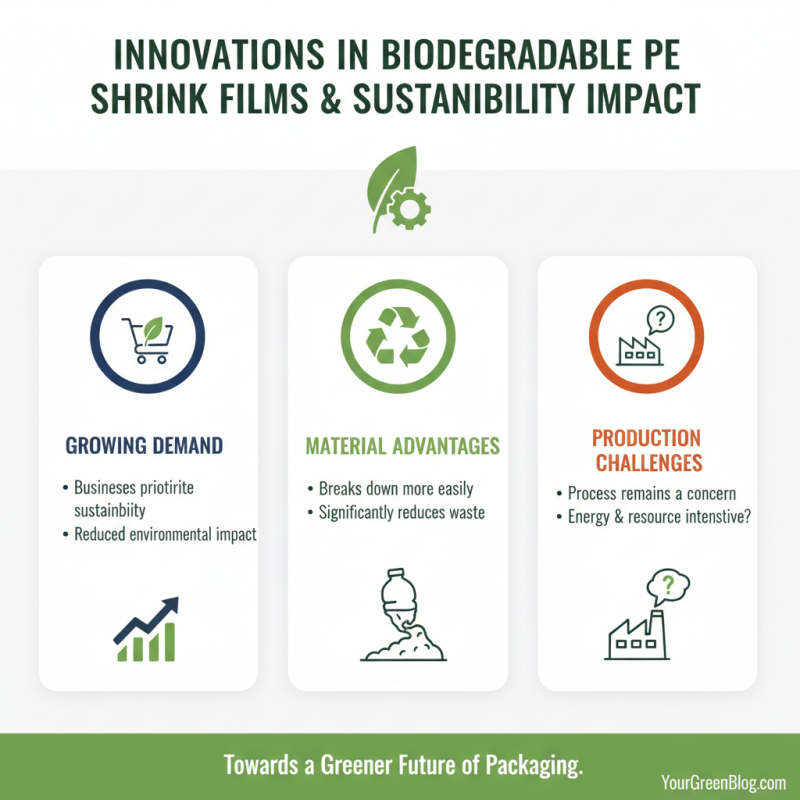
Innovations in Biodegradable PE Shrink Films and Sustainability Impact
The demand for biodegradable PE shrink films is growing. Businesses are prioritizing sustainability in their packaging choices. These materials help reduce waste significantly. They break down more easily than traditional plastics. However, the production process remains a concern.
Many manufacturers are exploring new methods for creating these films. Innovations focus on using renewable resources. This shift could potentially lower carbon footprints. Yet, challenges exist in ensuring quality and performance. Biodegradable films may not always meet the durability of standard options.
While the environmental benefits are clear, some areas need improvement. The cost of production can be higher. This affects options for smaller companies. Additionally, consumer awareness is still limited. Education on biodegradable options is essential. Overall, these innovations reflect a positive trend in packaging sustainability.
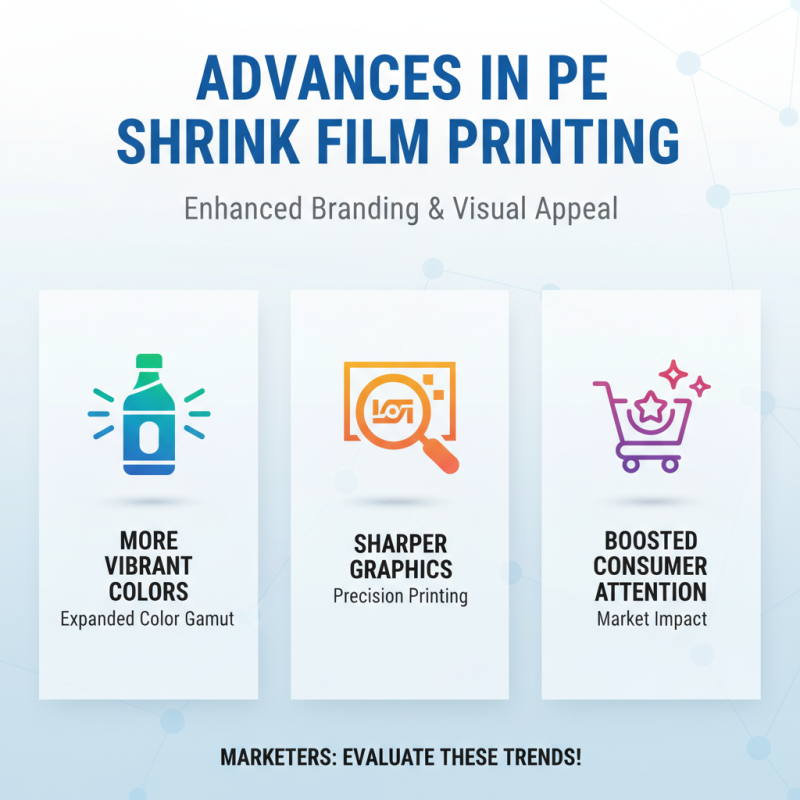
Advancements in PE Shrink Film Printing Technologies for Enhanced Branding
Advancements in printing technologies for PE shrink film are transforming the packaging landscape. Today’s innovations focus on enhancing branding and visual appeal. More vibrant colors and sharper images catch consumer attention. As marketers, we need to evaluate these trends closely.
Digital printing techniques are gaining traction. They allow for quick changes and customization. Flexibility in designs helps brands stand out. However, the reliance on technology can pose challenges. Not every business can adopt these advancements seamlessly. Cost and training may hinder some from fully embracing modern methods.
Additionally, sustainable practices are becoming pivotal. Eco-friendly inks and materials are gaining attention. Brands should consider not only aesthetics but also environmental impact. It’s essential to strike a balance. While enhancing design, we must reflect on sustainability and practical application. The journey is ongoing, and there’s much to learn and improve.
Market Share Analysis of PE Shrink Film Across Various Industries in 2026
The PE shrink film market is projected to grow significantly by 2026. Various industries are leveraging its benefits. This includes packaging, construction, and consumer goods. These sectors appreciate PE shrink film for its flexibility and durability. It provides protection while maintaining an appealing presentation.
Market share analysis indicates that the packaging industry dominates. Many companies are looking to enhance their packaging solutions. There’s a growing need for sustainable options. However, some brands still hesitate to fully embrace eco-friendly materials. This leaves room for improvement in innovation.
Construction uses PE shrink film mainly for securing materials and minimizing waste. While effective, challenges remain in durability under extreme conditions. Manufacturers need to address these inconsistencies to satisfy market demands. Consumer goods are exploring creative branding with shrink film. Yet, achieving a balance between aesthetics and functionality is tricky.
Role of Automation in the Production Efficiency of PE Shrink Films
The production of PE shrink films is evolving rapidly. Automation has become a key player in enhancing efficiency. It streamlines processes, reducing human error. Automated systems handle high-speed applications, ensuring consistency in quality. This technology also cuts down labor costs, which is crucial for manufacturers.
Investing in automation can minimize waste. It allows for precise film cutting and packaging. With automated inspection systems, defects are detected early. This prevents faulty products from reaching the market. However, the initial investment in these systems can be significant. Companies must weigh costs versus long-term gains.
Tips for optimizing automation include proper training for staff. Employees should understand how to operate advanced machinery. Regular maintenance of equipment can lead to better performance. Additionally, integrating software that tracks production metrics can provide insights. It’s essential to adapt and innovate continuously. Manual processes still have value but should be evaluated critically.